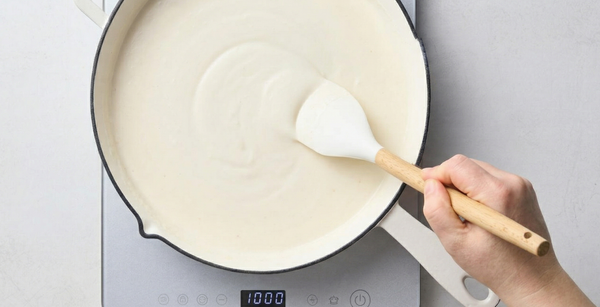
Dysphagia Adapted "Silky" Glazed Meatloaf Recipe
Have you been missing comfort food at home? And thought that traditional meatloaf can be crumbly and dry, which is a choking hazard? Here we have a solution for anyone with dysphagia who misses that homely taste.

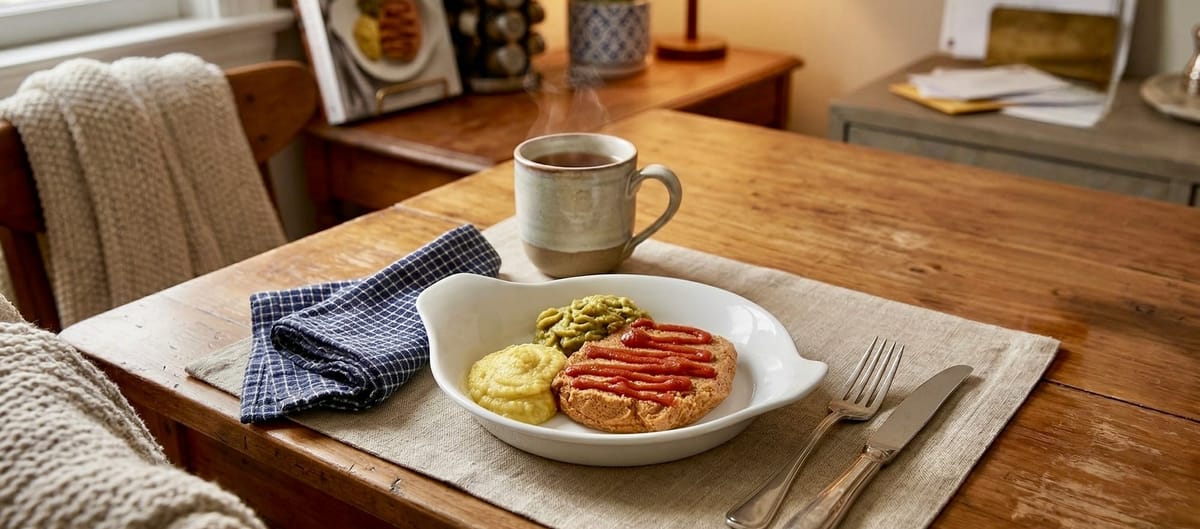
Dysphagia Adapted Classic Meatloaf Recipe
Have you been missing comfort food at home? And thought that traditional meatloaf can be crumbly and dry, which is a choking hazard? Here we have a solution for anyone with dysphagia who misses that homely taste.
- The Adjustment: Instead of a standard loaf, make a "Silky Meatloaf Mousse." Use a high-powered blender to puree cooked meatloaf with extra beef gravy or cream until it reaches the consistency of a thick hummus.
- The Key: Avoid using chunks of onion or celery. Use onion powder and garlic powder for flavor instead.
- For Level 4 (Pureed): If you followed the instructions to blend with gravy and pass it through a sieve. It should be smooth, lump-free, and not sticky.
- For Level 5 (Minced & Moist): If you used the "finely crumbled" method with gravy. The particles must be no larger than 4mm (about the size of the gaps between fork tines).
What you need:
|
Ingredient |
|
1 lb Ground Beef (80/20) |
|
1/2 cup Beef Broth |
|
1/4 cup Plain Yogurt or Sour Cream |
|
1 tsp Onion & Garlic Powder |
|
Glaze: 1/4 cup Ketchup + 1 tsp Brown Sugar |
Step 1: Prepare the Egg Mixture
- Mix all ingredients (except glaze).
- Bake in a loaf pan at 350°F (175°C) for 45 minutes.
- Add glaze and bake 15 more minutes.
Dysphagia Adjustment: *
Level 5 (Minced):
- Finely crumble a slice of meatloaf.
- Mix with 2-3 tbsp of warm beef gravy until it is the consistency of wet sand.
Level 4 (Pureed):
- Place a slice of meatloaf in a blender with 1/4 cup warm beef gravy.
- Blend until completely smooth.
- Pass through a sieve to ensure no lumps.
Storage:
- Best served immediately
- Can be refrigerated for up to 24 hours
- Reheat gently with additional milk to restore smooth consistency
Important Safety Note
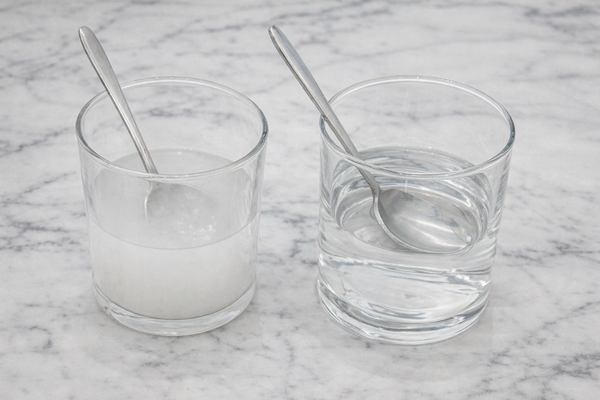
Always follow the specific IDDSI (International Dysphagia Diet Standardisation Initiative) level recommended by a doctor or speech-language pathologist. A "pureed" diet is very different from a "soft and bite-sized" diet! Read more about how to do the spoon check here: How can you do an IDDSI Flow Test at Home? Here’s the Easy Guide
Three Golden Rules for Dysphagia Cooking
- No Mixed Textures: Never serve a liquid with solid chunks in it (like standard soup). Everything in the bowl must be the same consistency.
- The Spoon Test: For a pureed diet, the food should fall off a tilted spoon in one cohesive "plop." It shouldn't be thin and runny, nor should it be so sticky that it stays stuck to the spoon.
- Flavor is King: Pureeing food can dilute flavor. Don't be afraid to use extra salt, mild herbs, or "Umami" boosters like Worcestershire sauce (strained) to keep the meal appetizing.
Dysphagia Cookbook: 2500 Days of Easy, Tasty, and Healthy Recipes for Swallowing Difficulties
Ready in Under 30 Minutes | Includes a 60-Day Meal Plan and Grocery List