Dysphagia Adapted "Silky" Glazed Meatloaf Recipe
Have you been missing comfort food at home? And thought that traditional meatloaf can be crumbly and dry, which is a choking hazard? Here we have a solution for anyone with dysphagia who misses that homely taste.

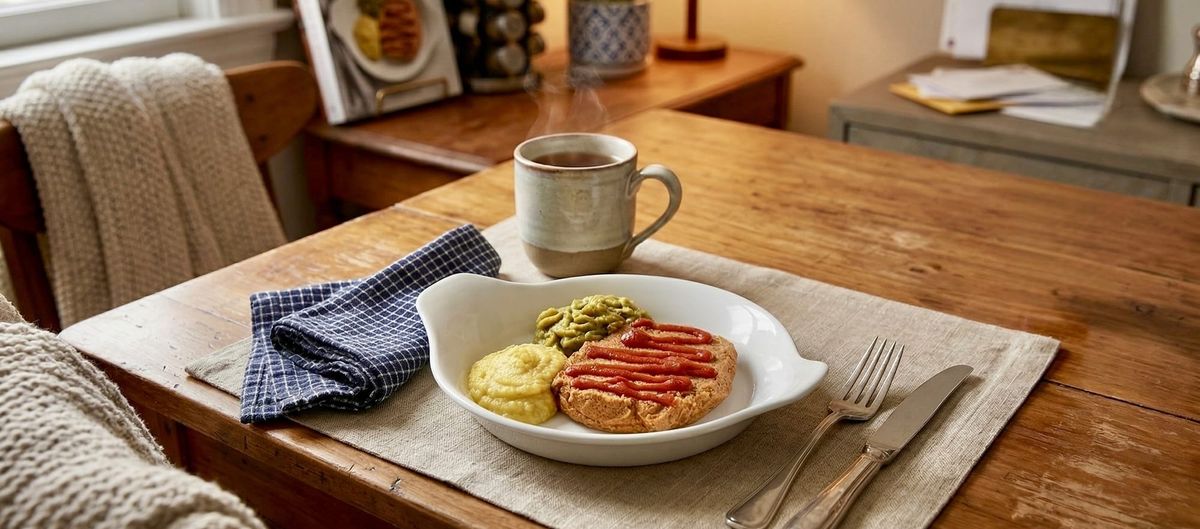
Have you been missing comfort food at home? And thought that traditional meatloaf can be crumbly and dry, which is a choking hazard? Here we have a solution for anyone with dysphagia who misses that homely taste.
- The Adjustment: Instead of a standard loaf, make a "Silky Meatloaf Mousse." Use a high-powered blender to puree cooked meatloaf with extra beef gravy or cream until it reaches the consistency of a thick hummus.
- The Key: Avoid using chunks of onion or celery. Use onion powder and garlic powder for flavor instead.
- For Level 4 (Pureed): If you followed the instructions to blend with gravy and pass it through a sieve. It should be smooth, lump-free, and not sticky.
- For Level 5 (Minced & Moist): If you used the "finely crumbled" method with gravy. The particles must be no larger than 4mm (about the size of the gaps between fork tines).
What you need:
|
Ingredient |
|
1 lb Ground Beef (80/20) |
|
1/2 cup Beef Broth |
|
1/4 cup Plain Yogurt or Sour Cream |
|
1 tsp Onion & Garlic Powder |
|
Glaze: 1/4 cup Ketchup + 1 tsp Brown Sugar |
Step 1: Prepare the Egg Mixture
- Mix all ingredients (except glaze).
- Bake in a loaf pan at 350°F (175°C) for 45 minutes.
- Add glaze and bake 15 more minutes.
Dysphagia Adjustment: *
Level 5 (Minced):
- Finely crumble a slice of meatloaf.
- Mix with 2-3 tbsp of warm beef gravy until it is the consistency of wet sand.
Level 4 (Pureed):
- Place a slice of meatloaf in a blender with 1/4 cup warm beef gravy.
- Blend until completely smooth.
- Pass through a sieve to ensure no lumps.
Storage:
- Best served immediately
- Can be refrigerated for up to 24 hours
- Reheat gently with additional milk to restore smooth consistency
Important Safety Note
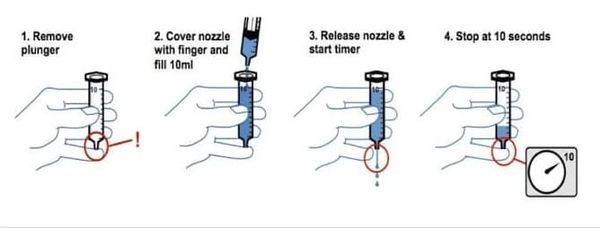
Always follow the specific IDDSI (International Dysphagia Diet Standardisation Initiative) level recommended by a doctor or speech-language pathologist. A "pureed" diet is very different from a "soft and bite-sized" diet! Read more about how to do the spoon check here: How can you do an IDDSI Flow Test at Home? Here’s the Easy Guide
Three Golden Rules for Dysphagia Cooking
- No Mixed Textures: Never serve a liquid with solid chunks in it (like standard soup). Everything in the bowl must be the same consistency.
- The Spoon Test: For a pureed diet, the food should fall off a tilted spoon in one cohesive "plop." It shouldn't be thin and runny, nor should it be so sticky that it stays stuck to the spoon.
- Flavor is King: Pureeing food can dilute flavor. Don't be afraid to use extra salt, mild herbs, or "Umami" boosters like Worcestershire sauce (strained) to keep the meal appetizing.
Dysphagia Cookbook: 2500 Days of Easy, Tasty, and Healthy Recipes for Swallowing Difficulties
Ready in Under 30 Minutes | Includes a 60-Day Meal Plan and Grocery List