The Side Dish: "Slumping" Mashed Potatoes (IDDSI Level 4)
A smooth, comforting mashed potato recipe adapted for dysphagia. Designed to meet IDDSI Level 4 (Puréed) or Level 5 (Minced & Moist) with simple at-home consistency checks.

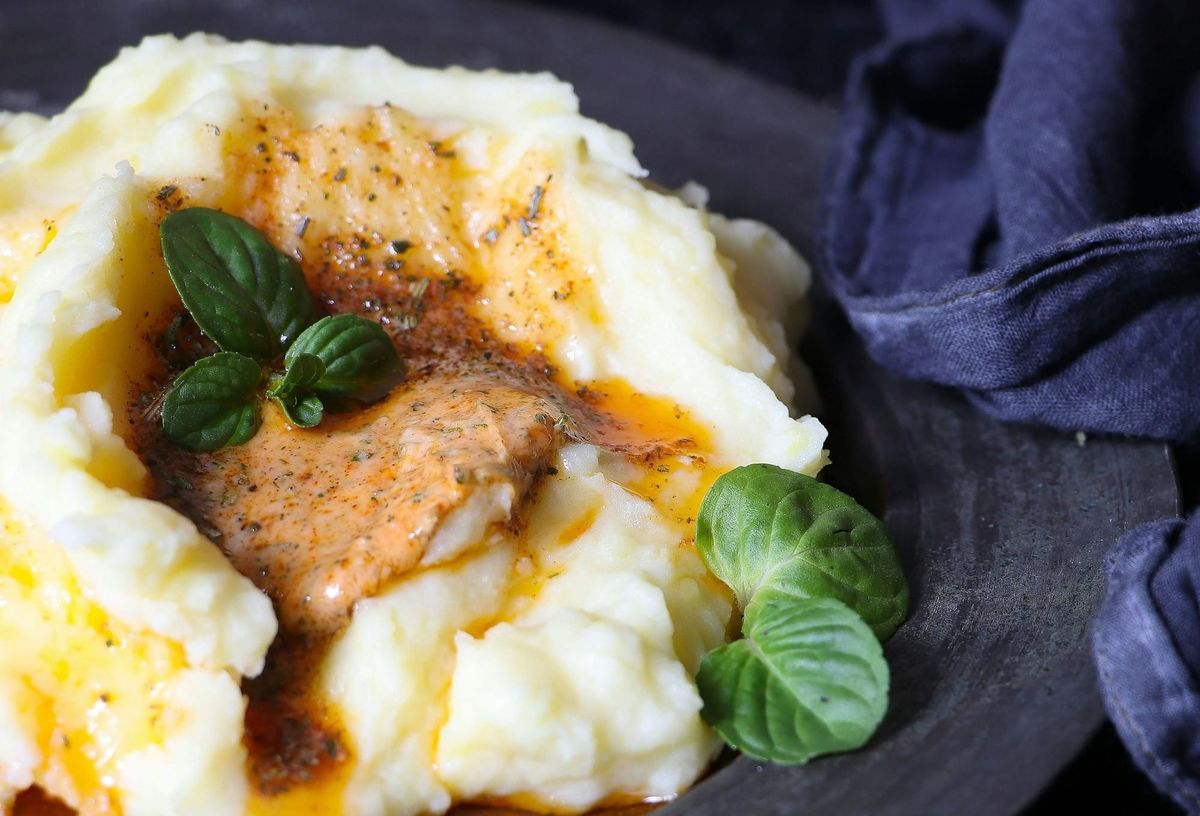
The ultimate dysphagia-friendly comfort food. Simple, smooth, and endlessly adaptable — this recipe is designed to meet IDDSI Level 4 (Puréed) or IDDSI Level 5 (Minced & Moist) depending on your final consistency check.
IDDSI Level 4–5. Dysphagia-Adapted Classic Mashed Potatoes Recipe
The name says it all — these mashed potatoes should slowly "slump" off a tilted spoon in one smooth, cohesive movement. That's your Level 4 consistency check built right into the recipe. Naturally starchy and easy to season generously, mashed potatoes are one of the most reliably dysphagia-friendly foods you can make at home.
What you need:
| Ingredient |
|---|
| The Mash: |
| 400g (2 medium) floury potatoes — Maris Piper, Russet, or King Edward (peeled and cut into even chunks) |
| 60ml (¼ cup) whole milk or single cream, warmed — plus extra if needed |
| 30g (2 tablespoons) unsalted butter |
| ¼ teaspoon fine salt — adjust to taste |
| Optional: 1 teaspoon cream cheese for extra smoothness |
| Optional: pinch of white pepper (use white, not black — black pepper leaves visible flecks and can create texture variation) |
| Flavour Boosters (Optional): |
| 1 teaspoon strained chicken or vegetable stock added in place of some milk |
| Pinch of dried chives or parsley — fully incorporated, no whole leaves |
Avoid: potato skins, waxy potato varieties (new potatoes, Charlotte), any toppings that alter texture (grated cheese, crispy onions, croutons)
Cooking Steps (Standard Preparation)
- Boil the potatoes: Place potato chunks in a pot of cold, lightly salted water. Bring to the boil, then reduce to a steady simmer. Cook for 15–18 minutes until completely tender — a knife should slide through with zero resistance. Undercooked potatoes will not mash smoothly.
- Drain thoroughly: Drain well and return the potatoes to the warm pot over low heat for 1–2 minutes, shaking gently. This drives off excess moisture — drier potatoes produce a smoother, more consistent mash that reliably holds its IDDSI level.
- Mash: Remove from heat. Use a potato ricer or fine-mesh food mill for the smoothest result — these eliminate lumps far more reliably than a standard masher. If using a standard masher, mash thoroughly and then push the mixture through a fine sieve with the back of a spoon.
- Add fat and liquid: Add the butter first and stir until fully melted and incorporated. Then add the warm milk gradually, stirring between additions, until the mixture is smooth and cohesive.
- Season generously: Add salt and white pepper to taste. Pureeing dulls flavour — season more assertively than you would for standard mashed potatoes.
The "Dysphagia Transformation" (Choose Your Level)
For IDDSI Level 5: Minced & Moist
- Consistency: The mash should hold its shape when scooped but fall apart with minimal pressure. No lumps, skin, or fibrous pieces.
- The slump test: Scoop onto a plate — it should slowly spread and settle rather than hold a firm peak.
- If too thick: Stir in an extra tablespoon of warm milk and retest.
For IDDSI Level 4: Puréed
- Push through a sieve or ricer a second time after mashing to guarantee a completely uniform, lump-free texture.
- Add extra warm milk until the mixture is velvety and smooth — slightly looser than standard mashed potatoes.
- The slump test: Load a teaspoon, tilt sideways — the potato should slide off slowly and cleanly in one cohesive movement, leaving the spoon mostly clean. This is your Level 4 confirmation.
- If it runs off too quickly,it has dropped below Level 4. Return to low heat and stir for 1–2 minutes to thicken slightly before serving.
Safety Checks (The IDDSI Tests)
- The Spoon Tilt Test (Level 4 & 5): Scoop a spoonful and tilt sideways. The food should slide off in one cohesive "plop." If it sticks firmly to the spoon, it is too tacky — add a little more warm milk. If it pours off like liquid, it has dropped below Level 4.
- The Fork Drip Test (Level 4 & 5): Scoop some mash onto a fork. It should sit in a mound and not stream or drip quickly through the tines.
- No lumps check: Run a spoon through the surface before serving. It should leave a clean, smooth trail with no bumps or resistance.
Storage:
- Best served immediately
- Can be refrigerated for up to 24 hours
- Reheat gently with additional milk to restore smooth consistency
Important Safety Note
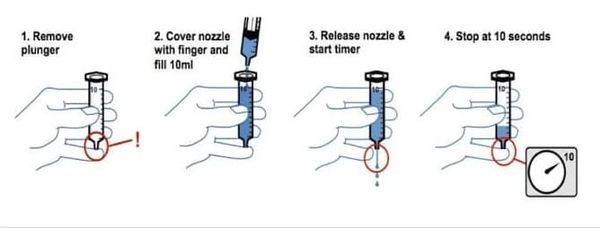
Always follow the specific IDDSI (International Dysphagia Diet Standardisation Initiative) level recommended by a doctor or speech-language pathologist. A "pureed" diet is very different from a "soft and bite-sized" diet! Read more about how to do the spoon check here: How can you do an IDDSI Flow Test at Home? Here’s the Easy Guide
Three Golden Rules for Dysphagia Cooking
- No Mixed Textures: Never serve a liquid with solid chunks in it (like standard soup). Everything in the bowl must be the same consistency.
- The Spoon Test: For a pureed diet, the food should fall off a tilted spoon in one cohesive "plop." It shouldn't be thin and runny, nor should it be so sticky that it stays stuck to the spoon.
- Flavor is King: Pureeing food can dilute flavor. Don't be afraid to use extra salt, mild herbs, or "Umami" boosters like Worcestershire sauce (strained) to keep the meal appetizing.