Oral Care for Dysphagia: What to Buy to Reduce Aspiration Risk
A list of items to consider for dysphagia oral care. From suction toothbrushes to mouthwash, dry mouth products, including a daily routine guide.

We are not affiliated with or sponsored by any of the brands mentioned — these are illustrative examples of the type of product to look for in each category. Always compare options and choose what works best for your situation.
If you've read our guide to aspiration pneumonia, you already know the most important finding in dysphagia care that almost nobody talks about: the bacteria in the mouth — not the act of aspiration itself — is what determines whether aspiration becomes pneumonia. Oral hygiene is not a comfort measure. It is one of the most evidence-backed prevention strategies available, yet one of the most consistently under-resourced.
This guide is not about specific brands. It's about the categories of product that matter — what each one does, why it's different from what's typically used in hospitals and care homes, and what to look for when you buy. The links throughout are illustrative examples to show you what a product in that category looks like — not a recommendation that this specific brand is the best one. Compare options, read reviews, and choose what fits your situation and budget.
Why Standard Oral Care Often Isn't Enough
Before the product categories — it's worth understanding why dysphagia changes what "good oral care" actually means.
In a healthy mouth, brushing temporarily increases the bacteria in saliva as plaque disperses — but rinsing and swallowing quickly clears it. For someone with dysphagia, that clearing step is exactly the part that doesn't work safely. Brushing can temporarily increase bacterial counts in saliva, and older adults who cannot rinse effectively may not be able to eliminate these bacteria — increasing aspiration risk during the cleaning process itself.
This means the goal isn't just "clean teeth." It's clean teeth achieved in a way that doesn't create a bacteria-laden swallow at the end of the process. That single distinction is why the product categories below look different from a standard toothbrush-and-toothpaste routine.
It's also worth knowing that the most common tool used in hospitals — the small pink foam swab — is widely considered inadequate on its own. Foam swabbing alone increased plaque and gingivitis over a one-week trial period, and one study comparing oral care methods found that patients receiving sponge-only oral hygiene had a rate of pneumonia nearly four times higher than those receiving toothbrush cleaning. Foam swabs are useful for specific situations — but they are not a substitute for brushing.
Category 1: Suction Toothbrush
This is the single most important piece of equipment in this guide, and the one most caregivers have never heard of.
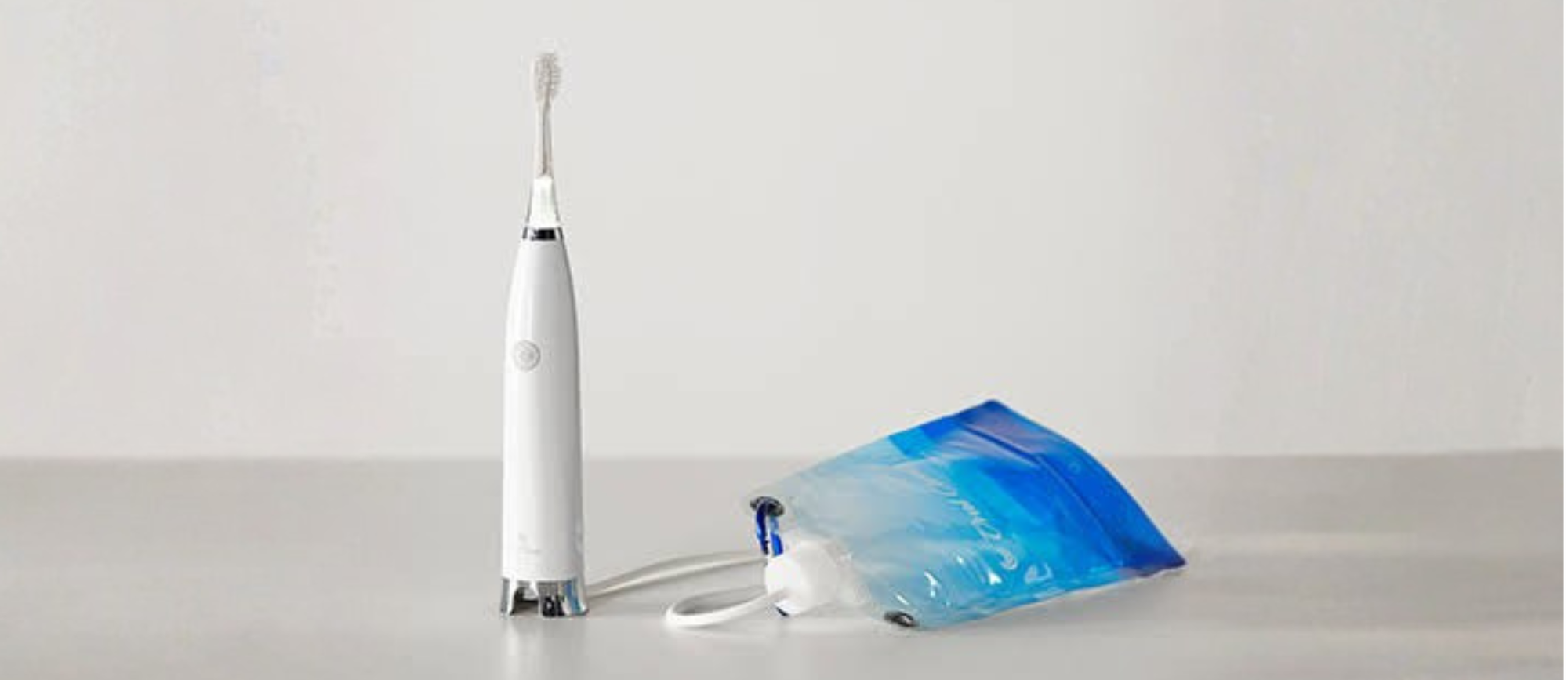
What it is: A toothbrush with a built-in suction channel that continuously removes saliva, toothpaste foam, and water from the mouth while brushing — connected either to an integrated motor or to a separate suction machine. The person never needs to rinse or spit. Everything that would normally pool in the mouth and create an aspiration risk is removed in real time as you brush.
Why it matters specifically for dysphagia: The standard advice — brush, then have the person rinse and spit — assumes the person can safely manage a mouthful of water and toothpaste foam without it entering the airway. For someone with dysphagia, that assumption is exactly the problem. A suction toothbrush removes the need for rinsing and spitting entirely, which removes one of the more dangerous moments in a standard oral care routine.
Two ways to set this up:
All-in-one electric suction toothbrush — the suction motor and the brush are combined into a single handheld device. More convenient, more portable, generally more expensive.
Example product - Bluereo Electric Suction Toothbrush
Separate suction machine with a suction toothbrush attachment — a standalone oral suction machine (the kind used more widely in home and clinical care for managing saliva generally) paired with a toothbrush head or swab attachment. Less convenient as a single unit, but more budget-friendly, and the suction machine itself can be used for general saliva management beyond oral care — relevant for conditions like ALS where saliva management is an ongoing daily need, as covered in our ALS dysphagia guide.
Example brush attachment — Oral Swab Suction Toothbrushes are used together with the standalone suction machine below.
What to look for:
- Adjustable suction strength — too strong can be uncomfortable or cause minor mucosal trauma; too weak doesn't clear effectively
- Soft bristles — the person being cared for often has sensitive gums
- A clear or illuminated brush head — helps the caregiver see what's actually being cleaned
- Rechargeable battery if going the all-in-one route — a toothbrush that dies mid-use mid-meal-routine is a genuine daily frustration
- Replacement brush heads readily available — this is a daily-use item, and heads wear out
Who needs this most: Anyone who is fully or partially dependent for oral care — cannot reliably rinse and spit safely, has reduced gag reflex control, or has dementia with reduced cooperation during brushing. This is standard equipment in many hospital and care home settings and significantly underused in home care, mostly because caregivers simply don't know it exists.
Category 2: Portable Oral Suction Machine
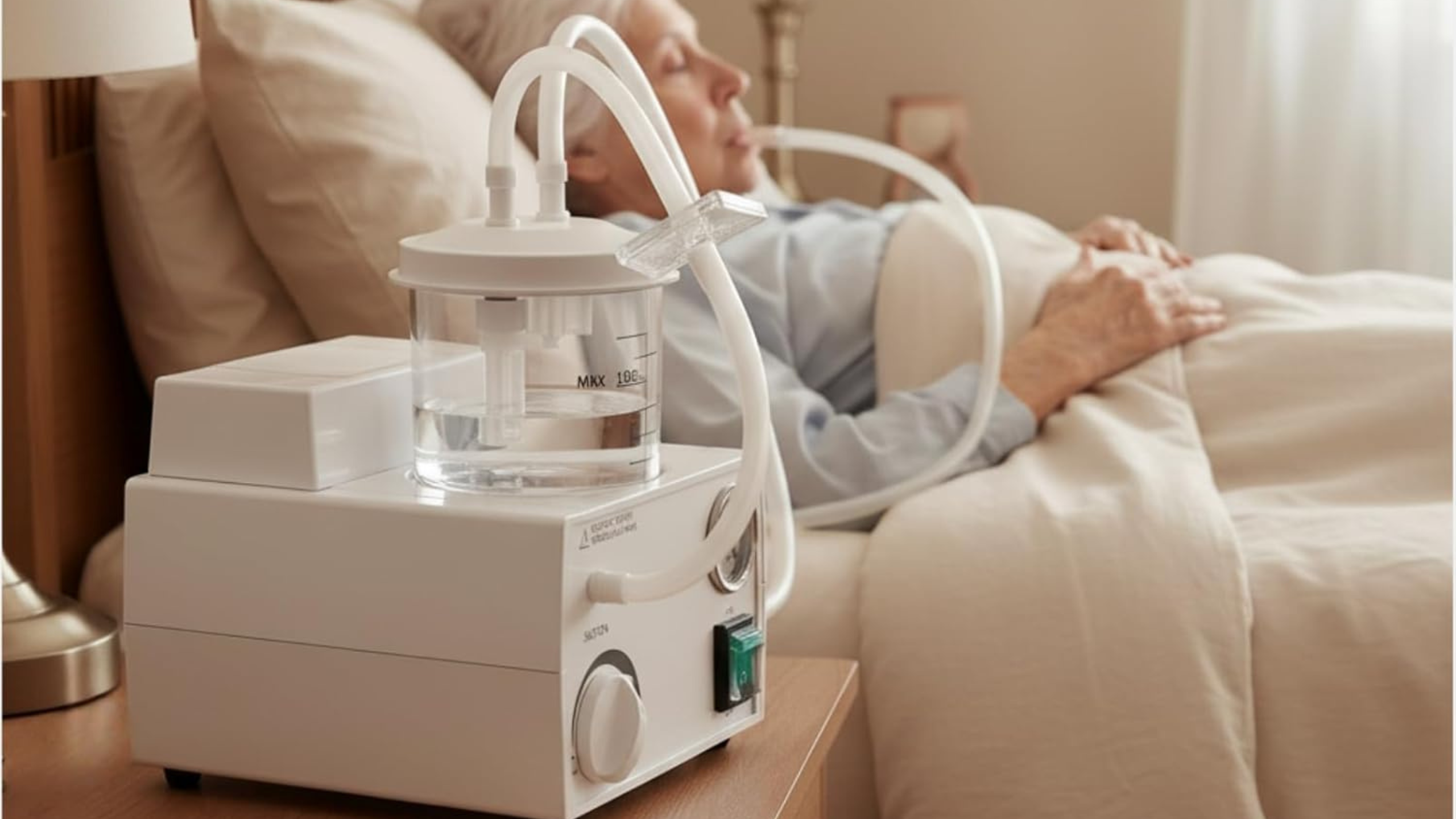
What it is: A standalone suction device — the kind more commonly associated with managing excess saliva throughout the day, not just during brushing. It can be used with various attachment types: a suction swab, a suction toothbrush head, or a simple suction catheter tip for general oral clearing.
Why it's worth having even beyond the toothbrush: For conditions where saliva management is a daily, ongoing concern — bulbar ALS, advanced Parkinson's, late-stage dementia — a portable suction machine has value well beyond oral hygiene. It's the same category of tool referenced in our ALS and dysphagia guide for managing drooling and pooled saliva between meals, not only at brushing time.
Example product - Portable Electric Suction Machine
What to look for:
- Portable and rechargeable — useful if the person isn't always near a power outlet
- Adjustable suction pressure
- A range of compatible attachment tips
- Easy-to-clean canister — this needs emptying and cleaning after every use
Who needs this most: Anyone managing significant saliva pooling or thick mucus alongside dysphagia — not just for oral hygiene, but as a general daily management tool.
Category 3: Alcohol-Free Mouthwash
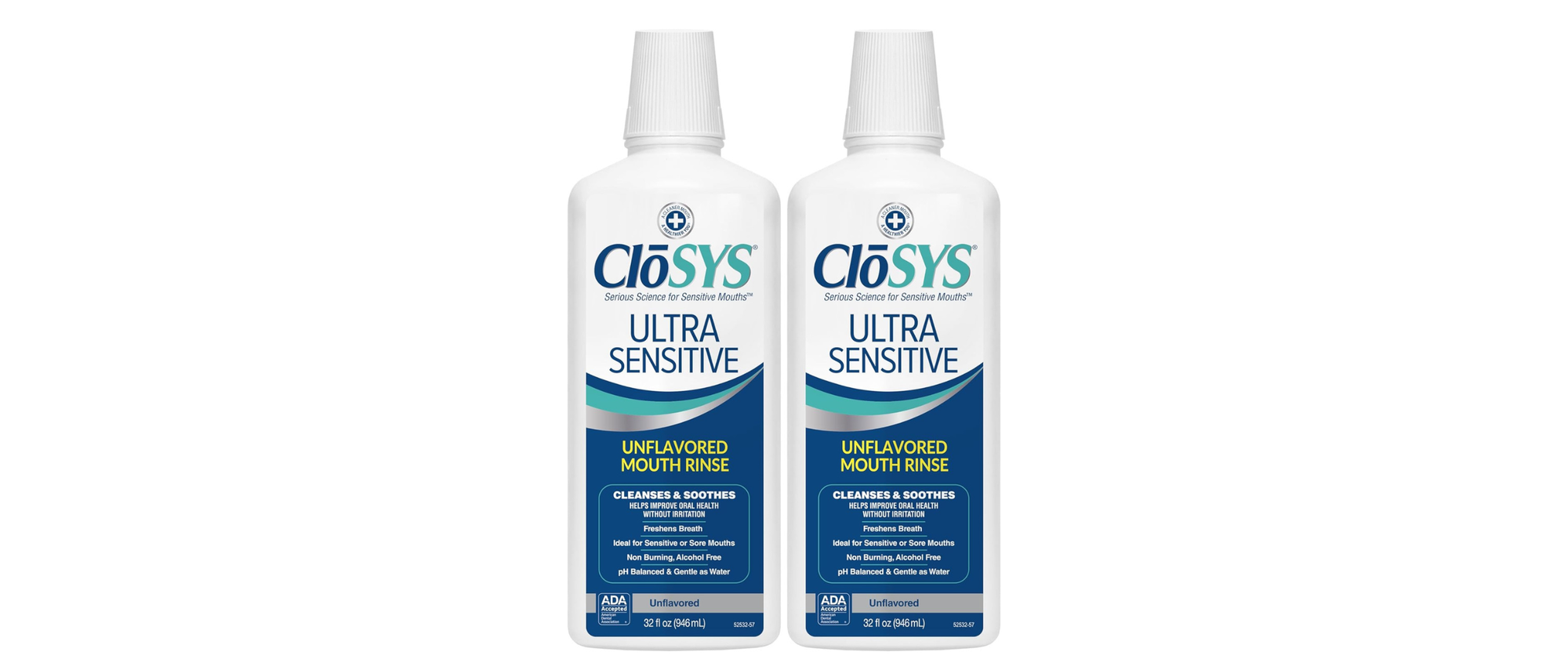
What it is: An antimicrobial or antiseptic rinse formulated without alcohol — standard mouthwash formulations contain alcohol concentrations that are drying and irritating to oral mucosa, which is particularly unsuitable for someone whose mouth is already vulnerable from medication side effects or reduced saliva production.
Example product - CloSYS Ultra Sensitive Mouthwash
Why alcohol-free matters specifically: Alcohol-based mouthwash dries the mucosa further — counterproductive for someone already managing dry mouth from medication. It can also sting on already irritated or sensitive tissue, which matters considerably for someone who may already find oral care uncomfortable or who cannot tell you it's causing pain.
How it's used in dysphagia oral care: Applied with a swab rather than swished and spat — for someone who cannot safely rinse and spit, a small amount of mouthwash on a swab, wiped along the gums, teeth, cheeks, and tongue, followed by suction to remove residue, achieves a similar antimicrobial effect without the swallowing risk of a standard rinse.
What to look for:
- Alcohol-free, specifically labelled as such
- Antimicrobial or antiseptic active ingredient — chlorhexidine-based products require a prescription in some regions but are the most studied; over-the-counter alcohol-free antiseptic rinses are a reasonable alternative
- Mild flavour — strong mint or cinnamon flavours can be unexpectedly unpleasant for someone with altered taste perception, which is common in several neurological conditions
A note on chlorhexidine: Research on chlorhexidine specifically for aspiration pneumonia prevention has produced mixed results — it's effective at reducing plaque and gingivitis, but the evidence for pneumonia prevention specifically is less conclusive than for the act of brushing itself. If your loved one has been prescribed chlorhexidine rinse by a dentist or doctor, follow that specific guidance — it's a slightly different category from over-the-counter alcohol-free mouthwash and shouldn't be used interchangeably without checking with the prescriber.
Category 4: Dry Mouth Spray / Artificial Saliva
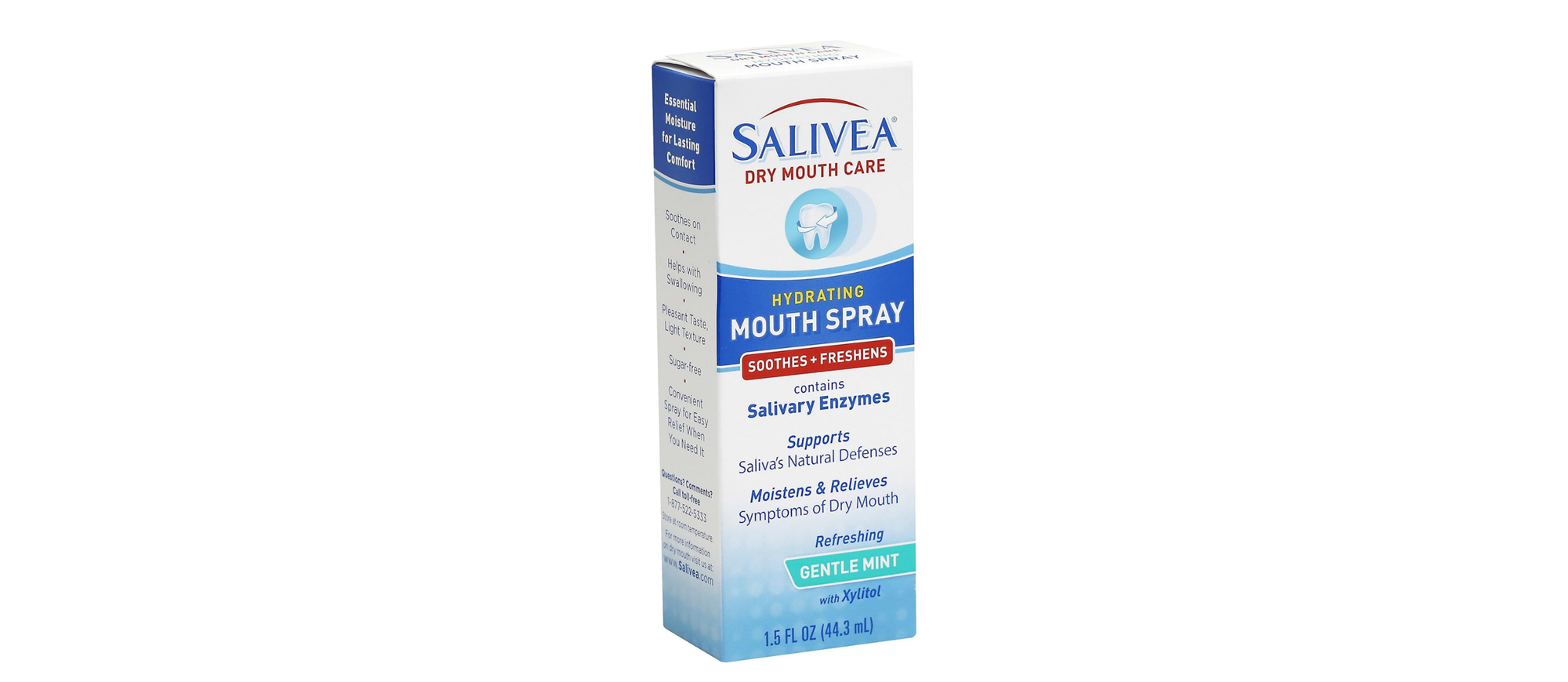
What it is: A spray, gel, or swab-applied product that mimics the lubricating and protective properties of natural saliva — used for people whose saliva production has been reduced by medication, radiation, dehydration, or age.
Example product - SALIVEA Dry Mouth Spray for Adults
Why this matters for dysphagia specifically: Saliva is a natural cleanser against bacteria and plays a direct protective role in oral and swallowing health. Patients with lower-than-normal saliva production may benefit from an artificial saliva substitute applied before meals. Reduced saliva doesn't just cause discomfort — it directly increases the bacterial concentration available for aspiration, because saliva's natural antibacterial and clearing function is diminished.
This connects directly to medication management — our dysphagia and medication guide covers how many common medications for older adults cause dry mouth as a side effect, compounding the problem at exactly the population most likely to need it addressed.
When to use it: Before meals — to support comfortable chewing and swallowing — and at any point during the day when dryness is noticeable. Applied either as a direct spray into the mouth or via swab to the tongue, gums, cheeks, and palate after oral cleaning.
What to look for:
- Sugar-free — critical, since dry mouth alongside frequent sugar exposure significantly increases dental decay risk
- pH-balanced — avoid products with an acidic pH, which can erode enamel over time
- Spray or gel format depending on what's easiest to apply — spray bottles work well for self-administration if the person can manage it; gel applied via swab works better for fully dependent care
Who needs this most: Anyone on medications known to cause dry mouth (many blood pressure medications, antidepressants, antihistamines, diuretics), anyone with Sjögren's syndrome or head and neck radiation history, and anyone with ALS or Parkinson's where saliva regulation is part of the broader condition.
Category 5: Lip Balm / Mouth Moisturiser
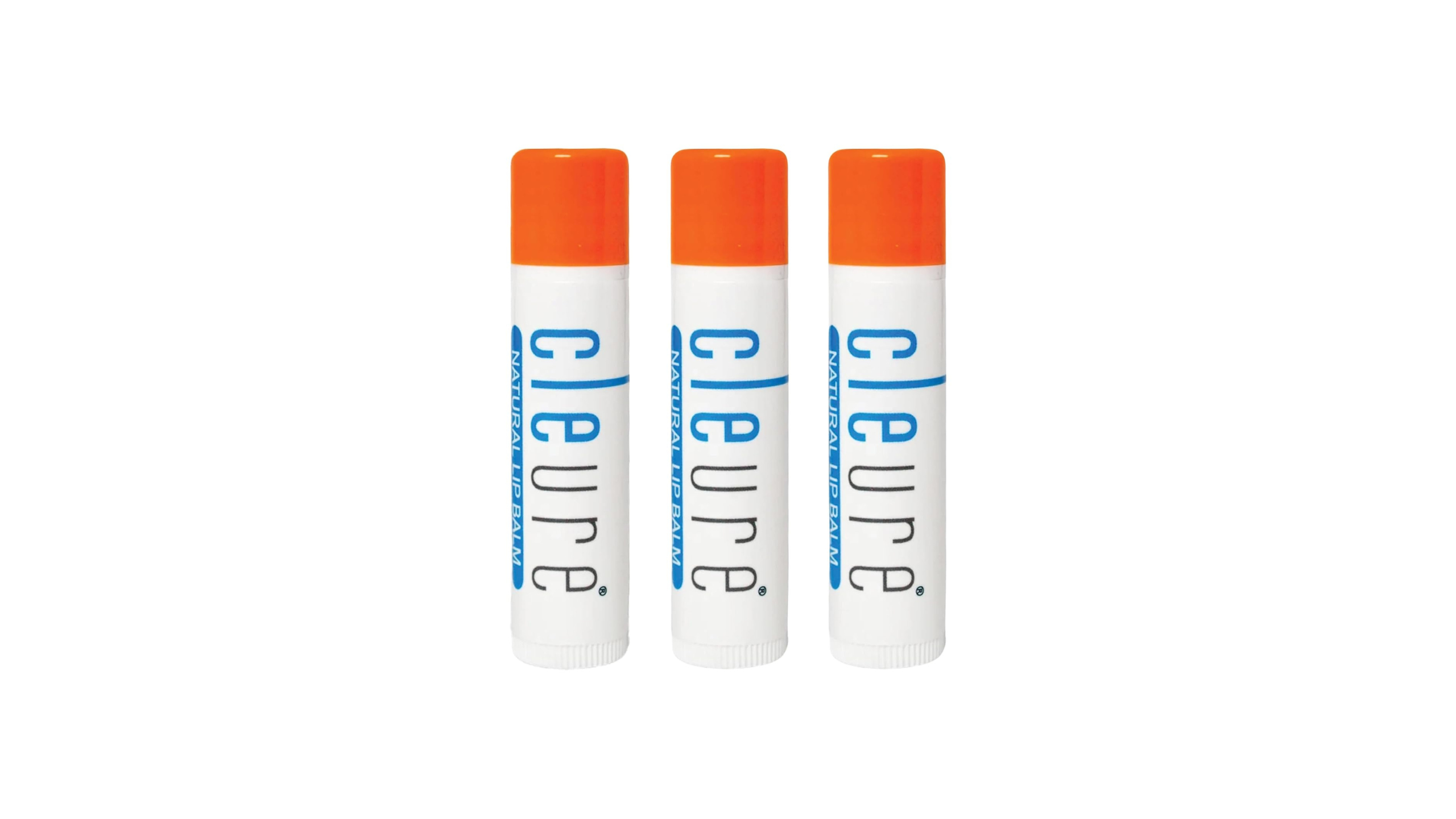
What it is: A protective balm for the lips, and a separate moisturising gel or product for the inside of the mouth — both addressing the dryness and cracking that develops when someone breathes through their mouth, has reduced saliva, or simply isn't drinking enough fluid.
Example product - Cleure Organic All Natural Lip Balm - Paraben Free, Fragrance Free, Flavor Free, & Petroleum Free.
Why it's part of an oral care routine, not just comfort: Cracked, dry lips are uncomfortable, but they also create small breaks in the skin that can become a source of infection, and dry, cracking oral tissue generally is more vulnerable to irritation during brushing and oral care. For someone managing dehydration risk alongside dysphagia — covered in our dehydration and dysphagia guide — dry lips and mouth tissue are often one of the earliest visible signs that fluid intake needs attention.
What to look for:
- Fragrance-free, simple ingredient list — avoid menthol or strongly flavoured balms which can be irritating
- Petroleum-free options if there's any risk of the product being inhaled — for someone with significant aspiration risk, a petroleum-based product entering the airway is a more serious concern than for a typical user
- A moisturising gel specifically formulated for the inside of the mouth, separate from lip balm — the two surfaces have different needs
Who needs this most: Anyone with visibly dry or cracked lips, anyone who breathes through their mouth during sleep, and anyone on medications causing dry mouth alongside the artificial saliva product above.
Putting Together a Daily Oral Care Routine
Having the right products only matters if they're used consistently and correctly. Based on CDC and clinical guidance for dependent oral care, here is a practical routine:
After every meal — not just morning and night:
- Sit the person upright, ideally at 90 degrees, never reclined
- If using a suction toothbrush, brush all surfaces — teeth, gums, tongue — for approximately two minutes, spending roughly 30 seconds per quadrant of the mouth
- If using a standard toothbrush with separate suction, brush thoroughly, then use the suction device or a suction swab to clear toothpaste foam and saliva before the person needs to rinse or spit
- Apply alcohol-free mouthwash via swab if rinsing isn't safe, suction to remove residue
- Apply artificial saliva spray or gel if dry mouth is present
- Apply lip balm
Before meals:
- Apply artificial saliva spray if dry mouth is a known issue — supports more comfortable chewing and swallowing during the meal itself
Throughout the day:
- Check for pooled saliva or visible dryness and address as needed, particularly for anyone with reduced spontaneous swallowing
- Use the portable suction machine for general saliva clearing if this is part of the daily management plan
What to Do If the Person Resists Oral Care
This is common, particularly in dementia, and worth addressing directly. Viewing resistance as a sign of distress rather than defiance changes the approach significantly — the person may be experiencing fear of an object in their mouth, or genuine pain from dental issues they cannot communicate.
Practical approaches:
- Try oral care at a different time of day when the person is generally more cooperative
- Break the routine into shorter sessions rather than one long one
- Use a second caregiver if available — sometimes a different voice or approach changes the response entirely
- If pain is suspected, a dental review is worth requesting — communicated discomfort isn't always possible, but behavioural signs during oral care are a reasonable signal to investigate
Quick Reference: Building Your Oral Care Kit
| Need | Product Category | Example |
|---|---|---|
| Cannot rinse or spit safely | Suction toothbrush (all-in-one) | Example |
| Budget option, willing to manage two devices | Suction toothbrush attachment + separate suction machine | Brush + Machine |
| Ongoing saliva management beyond brushing | Portable oral suction machine | Example |
| Antimicrobial rinse without irritation | Alcohol-free mouthwash | Example |
| Dry mouth from medication or condition | Dry mouth spray / artificial saliva | Example |
| Cracked lips, dry oral tissue | Lip balm / mouth moisturiser | Example |
Frequently Asked Questions
Are foam swabs enough for oral care in dysphagia?
No — not on their own. Foam swabs are useful for clearing loose debris and excess mucus, and for applying moisturisers or rinses, but they don't effectively remove plaque the way brushing does. One study found a nearly fourfold higher rate of pneumonia in patients receiving sponge-only oral care compared to those receiving toothbrush cleaning. Foam swabs are a supplement to brushing, not a replacement for it.
How often should oral care be done for someone with dysphagia?
After every meal at minimum — not just morning and night. Food residue left in the mouth between meals provides a substrate for bacterial growth, and that bacteria is exactly what converts aspiration into aspiration pneumonia. More frequent care is recommended for those at higher aspiration risk.
Is a suction toothbrush really necessary, or is a normal toothbrush fine?
It depends on the person's ability to safely rinse and spit. If they can manage this reliably and safely, a standard toothbrush with careful technique is reasonable. If rinsing and spitting is itself a swallowing risk — which is common in moderate to severe dysphagia — a suction toothbrush removes that risk from the routine entirely.
Can dry mouth actually increase aspiration pneumonia risk?
Yes, indirectly but meaningfully. Saliva has natural antibacterial and clearing properties. Reduced saliva production means bacteria accumulate more readily in the mouth, increasing the bacterial load present during any aspiration event. Addressing dry mouth is a genuine part of aspiration pneumonia prevention, not just a comfort measure.
What if the person has no teeth — do they still need oral care?
Yes. Pathogens can colonise the oral mucosa even without natural teeth. The mouth, tongue, and gums still need to be cleaned regularly — wiping the inside of the mouth and gently cleaning the tongue remains an important part of bacterial load reduction, with or without dentures or natural teeth present.
References
Sheffler, K. (2025). Oral care and aspiration pneumonia prevention. SwallowStudy.com. https://swallowstudy.com/oral-care-aspiration-pneumonia-prevention/
Ashford, J. R. (2024). Impaired oral health: a required companion of bacterial aspiration pneumonia. Frontiers in Rehabilitation Sciences. https://www.frontiersin.org/journals/rehabilitation-sciences/articles/10.3389/fresc.2024.1337920/full
Funahara, M., et al. (2025). Oral care strategies to suppress salivary bacterial growth for the prevention of aspiration pneumonia in older individuals requiring long-term care. PMC. https://pmc.ncbi.nlm.nih.gov/articles/PMC12447250/
Centers for Disease Control and Prevention. (2024). Oral health in healthcare settings to prevent pneumonia toolkit. https://www.cdc.gov/healthcare-associated-infections/hcp/prevention-healthcare/oral-health-pneumonia-toolkit.html
American Speech-Language-Hearing Association Leader. (2018). The power of a toothbrush: How can we better promote oral care in patients with dysphagia? ASHA Leader. https://leader.pubs.asha.org/doi/10.1044/leader.FTR1.23052018.50