Aspiration Pneumonia and Dysphagia: What Caregivers Need to Know
What aspiration pneumonia is, how to recognise it early, and what caregivers can do every day to reduce the risk meaningfully. Includes a prevention checklist and when to seek urgent help.



There is a sentence that appears in almost every dysphagia discharge letter, every SLP assessment report, and every caregiver guide: "risk of aspiration pneumonia." It is mentioned the way a weather forecast mentions rain — as a background condition, something to be aware of, something that might happen.
What most discharge letters don't explain is what aspiration pneumonia actually is, why it happens, how to recognise it before it becomes serious, and — most importantly — what caregivers can do every day to reduce the risk meaningfully.
This article is the explanation that should accompany every dysphagia diagnosis.
What Aspiration Pneumonia Actually Is
Aspiration pneumonia is an infectious pulmonary condition triggered by bacteria-rich oropharyngeal fluids entering the lower respiratory tract. The aspirated fluid may contain oropharyngeal secretions, particulate matter, or gastric content. In plain terms: bacteria that normally live harmlessly in the mouth and throat enter the lungs, where they cause infection.
It is not the same as aspiration pneumonitis — a chemical lung injury from inhaling acidic stomach contents — though the two are often confused. Aspiration pneumonia is infectious. It is caused by bacteria. And crucially, it is largely preventable.
Aspiration pneumonia predominantly affects older adults, particularly those with advanced age, poor mobility, frailty, and underlying comorbidities. Individuals with neurological disorders that disrupt normal swallowing function are at heightened risk.
The Most Important Thing Most People Don't Know
Here is the finding that changes how aspiration pneumonia should be understood — and it is not widely communicated to caregivers:
Laryngeal aspiration by itself is not the cause of pneumonia. It is but one of several factors that must be present simultaneously for pneumonia to develop. Aspiration of oral and gastric contents occurs often in healthy people of all ages without significant pulmonary consequences.
What this means practically: aspiration — food or liquid entering the airway — happens regularly in most people, including people without dysphagia. What converts aspiration into aspiration pneumonia is the bacterial load of what is aspirated. If the mouth and throat are clean, aspiration events are far less likely to cause infection. If the mouth contains significant bacterial colonies — as it does in people with poor oral hygiene, dental disease, or dry mouth — aspiration of even small amounts carries high infectious risk.
Multiple reviews have found that poor oral care correlates with an increased incidence of pneumonia. Study from NCBI
This is why oral hygiene is not a secondary consideration in dysphagia management. It is a primary prevention strategy — arguably the most important one a caregiver can implement at home.
How Dysphagia Increases the Risk
Dysphagia increases aspiration pneumonia risk through several mechanisms that compound each other:
Direct aspiration during eating and drinking. When food or liquid enters the airway during a meal, it carries whatever bacteria were present in the mouth and throat with it. In someone with good oral hygiene, this bacterial load is relatively low. In someone with poor oral hygiene, dental disease, or dry mouth — common in older adults and those on multiple medications — the bacterial load is significantly higher.
Silent aspiration between meals. Many people with dysphagia aspirate saliva during sleep without knowing it. Dysphagia is a condition in which disruption of the swallowing process interferes with the client's ability to eat — it can result in aspiration pneumonia, malnutrition, dehydration, weight loss, and airway obstruction. The saliva that pools in the throat during sleep carries oral bacteria — making post-meal oral hygiene before sleep one of the most important preventive interventions available.
Reduced cough reflex. A strong cough response is the body's primary mechanism for clearing aspirated material from the airway. In many dysphagia patients — particularly those with neurological conditions like stroke, Parkinson's, or dementia — this reflex is impaired or absent. Material that a healthy person would cough clear stays in the airway.
Immune vulnerability. Aspiration pneumonia predominantly affects older adults with advanced age, poor mobility, frailty, and underlying comorbidities. The same conditions that cause dysphagia also tend to reduce the immune system's ability to fight the bacterial infection that aspiration introduces.
Who Is at Highest Risk
Not everyone with dysphagia has the same level of risk. The factors that significantly increase aspiration pneumonia risk beyond dysphagia alone are:
Neurological conditions — population-based studies suggest that oropharyngeal dysphagia affects up to 30–40% of patients with stroke, 60–80% of those with advanced Parkinson's disease, and over 50% of residents in long-term care facilities. In all three groups, the cough reflex is frequently impaired. Study from ScienceDirect.
Silent aspiration on PAS Level 8. A patient whose swallowing assessment shows material entering the airway without any cough response is at significantly higher risk than one who aspirates but coughs to clear. If your loved one's VFSS or FEES result mentions silent aspiration or a PAS score of 8, this is the risk profile that requires the most vigilant daily management.
Poor oral hygiene. The bacterial load of the mouth is the critical variable. Dental disease, dry mouth (xerostomia), reduced saliva production from medications, and infrequent oral care all increase the bacterial load that accompanies any aspiration event.
Reduced mobility and upright positioning. People who spend significant time reclined — in bed, in a recliner — are more prone to reflux and to aspiration of stomach contents alongside saliva. Upright positioning during and after meals is a directly protective measure.
Malnutrition and dehydration. Both compromise immune function. A person who is already malnourished or dehydrated — common consequences of dysphagia itself — has reduced capacity to fight respiratory infection when aspiration occurs.
How to Recognise Aspiration Pneumonia
This is the section that matters when something has already gone wrong. The signs of aspiration pneumonia can be subtle in older adults, particularly those with cognitive impairment — the classical presentation of high fever and obvious respiratory distress is not always how it starts.
Early Signs — Watch For These First
- A new or changed cough — persistent, productive, or occurring at night and in the morning rather than only during meals. A cough that has changed in character rather than just frequency is a meaningful signal.
- Low-grade fever — a temperature of 38°C or above that develops in the hours after a difficult meal or a period of suspected aspiration. Low-grade fever is often the earliest reliable sign and is frequently missed because it doesn't feel dramatic.
- Increased fatigue or reduced alertness — infection in older adults often presents as reduced energy, increased confusion, or decreased responsiveness before respiratory symptoms develop. A loved one who is less engaged, less alert, or more tired than usual without another explanation warrants close monitoring.
- Change in breathing — slightly faster, slightly more laboured breathing than usual. Not dramatic respiratory distress — just a noticeable change from the person's baseline.
Signs That Require Urgent Medical Attention
- Fever above 38.5°C — particularly in combination with any respiratory change.
- Breathlessness at rest or with minimal activity — beyond what is normal for the person.
- Chest pain or discomfort — particularly on breathing.
- Coughing up coloured or blood-tinged sputum.
- A significant decrease in oxygen saturation — if the person has a pulse oximeter, a reading below 94% at rest that is new warrants immediate attention.
- Confusion or sudden cognitive change — in older adults, infection frequently presents as delirium before respiratory symptoms become obvious. A sudden, unexplained change in mental state is a medical emergency signal, not just a dementia fluctuation.
Signs That Suggest It Has Already Developed
Recurrent lower-lobe pneumonia — pneumonia that keeps coming back, particularly in the lower lobes of the lungs - is a direct indicator of chronic aspiration. If your loved one has had more than one case of pneumonia in a year, aspiration is the most likely cause and requires urgent SLP review.
Weight loss alongside recurrent illness — the combination of worsening nutritional status and recurrent chest infections is a clinical pattern that should prompt a comprehensive reassessment of the dysphagia management plan.
Prevention: What Actually Works at Home
The research details which interventions reduce aspiration pneumonia risk. Of the patient safety practices studied, oral care, early assessment and management of aspiration, and early mobility have been most extensively studied and supported. Here is what each means in practice at home:
1. Oral Hygiene — The Most Underused Prevention Tool
Oral infection control and oral decontamination are crucial aspects of preventing aspiration pneumonia. While not all aspiration and aspiration pneumonia can be prevented 100% of the time, there are evidence-based best practices to significantly reduce risks — and having an oral infection control program is one of them.
After every meal — not just morning and night. The standard twice-daily brushing routine is not sufficient for someone with dysphagia. Food residue that remains in the mouth after a meal provides a substrate for bacterial growth. If that residue is aspirated overnight alongside saliva, it carries a significantly higher bacterial load than a clean mouth would.
After every meal: brush or use soft foam swabs to clear food residue, rinse with alcohol-free mouthwash, and check the cheeks for pocketed food. For someone who cannot tolerate brushing, soft foam swabs dampened with alcohol-free mouthwash are an acceptable alternative.
Dental care matters. Dental disease — cavities, gum disease, plaque accumulation — significantly increases oral bacterial load. Regular dental visits, or at minimum regular dental hygienist appointments, are a direct aspiration pneumonia prevention strategy, not a cosmetic consideration.
Dry mouth increases the risk. Many medications common in older adults — antihistamines, antidepressants, diuretics, blood pressure medications — cause xerostomia (dry mouth). Saliva has antibacterial properties. When saliva production is reduced, oral bacterial load increases. Artificial saliva sprays, frequent sips of water (following SLP guidance on consistency), and sugar-free gum or lozenges, where appropriate, can help manage dry mouth.
2. Consistent IDDSI Level Management
Every deviation from the prescribed IDDSI level is a potential aspiration event. The reason thickened liquids and modified textures are prescribed is precisely to reduce the aspiration risk — but that protection only exists when the consistency is correct every time.
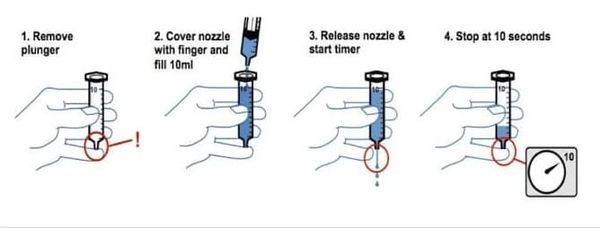
This means: testing every batch with the spoon tilt test or syringe test, testing at serving temperature, not preparation temperature, retesting after reheating, and not relaxing the texture on days when the person seems to be managing well. Good days exist in dysphagia, but the risk on a bad day doesn't change because yesterday went smoothly.
Our IDDSI flow test guide covers exactly how to verify consistency at home.
3. Positioning — Before, During, and After
Upright at 90 degrees for every meal, and for a minimum of 30 minutes after eating. This is not optional and not negotiable. Lying down after eating — even a slight recline — allows stomach contents to reflux upward and increases the aspiration risk of both food residue and stomach acid.
For someone who spends significant time in bed, positioning the head of the bed at a 30–45 degree incline reduces overnight aspiration of saliva and gastric reflux. A simple foam wedge under the mattress achieves this without requiring a specialist bed.
Never feed someone who is drowsy or reclined. A sleepy person has a reduced swallow reflex and reduced cough response — two of the primary protective mechanisms against aspiration. If the person is not alert enough to participate in eating, the meal should wait.
4. Pacing and Portion Control
Eating too quickly, taking bites that are too large, or being rushed through a meal all increase aspiration risk. The swallowing muscles need time — for the swallow reflex to initiate, for the airway to close and reopen, for the bolus to clear. Removing time pressure from meals is a directly protective measure.
Smaller, more frequent meals reduce fatigue. Dysphagia increases the muscular effort of eating — the same volume of food consumed in three large meals is more demanding than the same volume across five or six smaller ones. Fatigue at the end of a large meal increases aspiration risk.
5. Medication Review
Three key risk factors for aspiration pneumonia are dysphagia, poor oral hygiene, and medication use. Many medications commonly prescribed for older adults increase aspiration risk in ways that are not obvious:
Medications that cause drowsiness — opioids, benzodiazepines, some antihistamines, and some antidepressants reduce alertness and slow the swallow reflex. If a loved one's swallowing seems worse after a medication change, this connection is worth raising with the GP or pharmacist.
Medications that cause dry mouth — as noted above, reduced saliva increases oral bacterial load.
Medications that cannot be crushed — taking medications with thickened liquid is generally safe, but some medications interact with thickeners in ways that reduce absorption. Always check with a pharmacist before changing how medications are administered. Our home care guide covers medication management in detail.
6. Early SLP Involvement and Regular Review
Early assessment and management of dysphagia are among the most evidence-supported patient safety practices for preventing aspiration pneumonia. The longer dysphagia goes unassessed, the longer the risk accumulates without a management plan.
Regular review — not just at diagnosis — matters because dysphagia changes. In progressive neurological conditions, it typically worsens over time. Post-stroke, it often improves. Patients discharged with unresolved swallowing problems become vulnerable to aspiration pneumonia and unexpected hospital readmissions. A discharge from the hospital is not the end of the management process — it is often the point at which the most diligent home management begins.
What to Do If You Suspect Aspiration Has Occurred
A single aspiration event does not automatically mean aspiration pneumonia will develop. The bacterial load, the person's immune status, and the effectiveness of their cough response all influence whether infection follows. However, the following steps reduce the risk after a suspected aspiration event:
Sit the person upright immediately — and keep them upright for at least 30–60 minutes. Gravity helps move any aspirated material away from the airways and reduces the risk of further aspiration.
Do not give food or drink immediately — allow the person time to settle before resuming the meal. If they coughed significantly, wait until coughing has fully resolved before offering more.
Complete oral hygiene — immediately, thoroughly. Clear any food residue from the mouth to reduce the bacterial load available for further aspiration.
Monitor over the next 24–48 hours — watch for the early signs listed above: low-grade fever, new cough, change in alertness or breathing. Keep a note of the event to share with the SLP or GP.
Report to the SLP — any episode that you believe involved significant aspiration should be documented and reported at the next SLP contact. A pattern of aspiration events may indicate the management plan needs revision — a different IDDSI level, a different cup type, or further investigation.
When It Has Already Become Pneumonia: What to Expect
If aspiration pneumonia is diagnosed — confirmed by chest X-ray or CT scan alongside clinical signs — the treatment typically involves:
Antibiotics — targeted at the bacteria involved, which in aspiration pneumonia are typically oral bacteria. The choice of antibiotic depends on the clinical presentation, the setting (community vs. hospital), and local resistance patterns.
Hospital admission — for moderate to severe cases in older adults with dysphagia - hospital admission for IV antibiotics, oxygen support, and monitoring is common. In frail older adults, aspiration pneumonia carries significant mortality risk and warrants aggressive treatment.
SLP reassessment — after the acute episode resolves, a reassessment of swallowing function is essential. Aspiration pneumonia and the illness around it — reduced intake, bed rest, medication changes — can affect swallowing function significantly. Resuming the pre-illness IDDSI level without reassessment is not safe.
Nutrition support — during and after aspiration pneumonia, adequate nutrition supports both recovery from infection and immune function going forward. An oral nutritional supplement thickened to the appropriate IDDSI level is often used as a bridge while normal eating is re-established.
Does Aspiration Pneumonia Recur?
For someone with ongoing, unmanaged dysphagia — yes, it tends to recur. The same conditions that caused the first episode continue to create risk for subsequent ones.
For someone whose dysphagia is well-managed — correct IDDSI level consistently applied, good oral hygiene, appropriate positioning, regular SLP review — the risk is meaningfully reduced. Not eliminated, but reduced.
The most important predictor of recurrence is how thoroughly the contributing factors are addressed after the first episode. A first aspiration pneumonia is a signal that the management plan needs review — not just treatment of the acute infection and return to the previous routine.
Quick Reference: Prevention Checklist
Post every meal:
- Oral hygiene completed — brush or foam swab, alcohol-free mouthwash, cheek check
- The person remains upright for 30 minutes
- IDDSI consistency verified before and after heating
- Meal paced — no rushing, small bites, adequate time between swallows
Every day:
- Medications reviewed with pharmacist if dry mouth or drowsiness is a concern
- Positioning — head of bed elevated if spending significant time reclined
- Weight monitored weekly — unexplained loss triggers GP contact
Watch for and report promptly:
- New or changed cough
- Low-grade fever after meals
- Increased fatigue or confusion
- Change in breathing
- Recurrent chest infections
Frequently Asked Questions
Is aspiration pneumonia always caused by dysphagia?
Not always — but dysphagia significantly increases the risk. Aspiration of oral contents occurs in healthy people without causing pneumonia. What converts aspiration into aspiration pneumonia is the combination of bacterial load in what is aspirated and the immune system's ability to clear it. Dysphagia increases both the frequency of aspiration events and the likelihood that those events carry significant bacterial material.
How common is aspiration pneumonia in dysphagia patients?
It is one of the most common and serious complications of dysphagia. Oropharyngeal dysphagia affects up to 30–40% of stroke patients, 60–80% of those with advanced Parkinson's disease, and over 50% of long-term care residents — in all these groups, aspiration pneumonia is a leading cause of hospitalisation and death.
Can good oral hygiene really prevent aspiration pneumonia?
The evidence strongly suggests yes. A study found that a regimen of regular oral care combined with dysphagia intervention did prevent aspiration pneumonia in patients with oropharyngeal dysphagia. Oral hygiene is not a comfort measure — it is a clinical prevention strategy with evidence behind it.
Is it safe to keep eating after an aspiration event?
A brief pause — sitting upright, clearing the mouth, allowing coughing to resolve — followed by resuming carefully at the correct IDDSI level is generally appropriate for a minor aspiration event. A significant episode — prolonged choking, respiratory distress, suspected large-volume aspiration — warrants stopping the meal, monitoring closely over the following 24–48 hours, and contacting the GP if symptoms develop.
Should someone with recurrent aspiration pneumonia stop eating by mouth?
This is a clinical decision that belongs to the treating team — specifically the SLP, GP, and any relevant specialists — in consultation with the person and their family. Stopping oral eating is not a decision made on the basis of aspiration pneumonia alone. It involves weighing nutritional risk, quality of life, the person's wishes, and whether the dysphagia management plan has genuinely been optimised. Request a full SLP reassessment and a multidisciplinary team meeting before any discussion of stopping oral intake.
What is the difference between aspiration and aspiration pneumonia?
Aspiration is the event — food, liquid, or secretions entering the airway. Aspiration pneumonia is the infection that develops when those aspirated materials carry sufficient bacteria into the lungs to cause infection. Aspiration without pneumonia is common and often manageable. Aspiration pneumonia is a serious medical condition requiring treatment. The goal of dysphagia management is to reduce aspiration frequency and bacterial load — not to achieve zero aspiration, which is not achievable in most cases.
References
Sanivarapu, R. R., Vaqar, S., & Gibson, J. (2024). Aspiration pneumonia. In StatPearls. National Center for Biotechnology Information. https://www.ncbi.nlm.nih.gov/books/NBK470459/
Ashford, J. R. (2024). Impaired oral health: a required companion of bacterial aspiration pneumonia. Frontiers in Rehabilitation Sciences. https://www.ncbi.nlm.nih.gov/pmc/articles/PMC11183832/
Agency for Healthcare Research and Quality. (2025). Interventions to prevent nonventilator hospital-acquired pneumonia: Making Healthcare Safer IV. https://www.ncbi.nlm.nih.gov/books/NBK619049/
Perticone, M. E., Manti, A., & Luna, C. M. (2024). Prevention of aspiration: Oral care, antibiotics, others. Seminars in Respiratory and Critical Care Medicine, 45, 709–716. https://doi.org/10.1055/s-0044-1793812
Implementing oral care to reduce aspiration pneumonia amongst patients with dysphagia. (2021). PMC. https://www.ncbi.nlm.nih.gov/pmc/articles/PMC8631170/
Nafees, S., et al. (2025). Predischarge dysphagia measured using the EAT-10 and its association with 90-day aspiration pneumonia and hospital readmission. Cureus. https://www.ncbi.nlm.nih.gov/pmc/articles/PMC12487540/
American Speech-Language-Hearing Association. (n.d.). Adult dysphagia (Practice Portal). https://www.asha.org/practice-portal/clinical-topics/adult-dysphagia/
Sheffler, K. (2025). Oral care and aspiration pneumonia prevention. SwallowStudy.com. https://swallowstudy.com/oral-care-aspiration-pneumonia-prevention/