
Lugaw and Arroz Caldo Filipino Porridge (IDDSI Level 3–4)
Filipino lugaw reaches IDDSI Level 3 or 4 depending on broth ratio. Full recipe with adjustment guide and IDDSI testing steps.

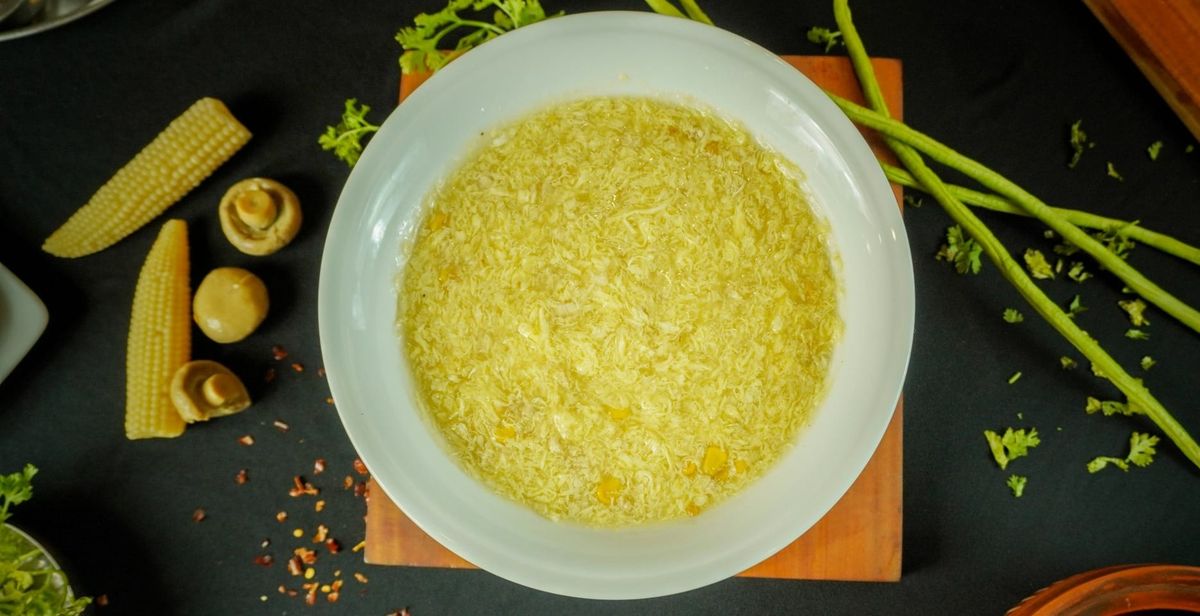
Savoury, warming, and deeply nourishing — Filipino lugaw and its chicken broth version arroz caldo sit naturally between IDDSI Level 3 and Level 4 depending on the broth-to-rice ratio. The same recipe reaches either level with a simple adjustment.
IDDSI Level 3–4. Dysphagia-Adapted Filipino Rice Porridge
Lugaw is the Filipino word for rice porridge — the broader category that includes both plain and flavoured versions. Arroz caldo is specifically the chicken broth version, made with ginger and turmeric for warmth and colour. It is traditionally served when someone is sick, elderly, or recovering — making it one of the most culturally appropriate comfort foods in a dysphagia context.
The broth-to-rice ratio determines the final IDDSI level. At a 6:1 ratio, lugaw typically reaches Level 3. At a 4:1 ratio, it reaches Level 4. Both versions are covered below.
What you need:
| Ingredient |
|---|
| The Lugaw Base: |
| ¼ cup (50g) glutinous rice or jasmine white rice |
| 1½ cups (360ml) chicken broth — for Level 3 |
| 1 cup (240ml) chicken broth — for Level 4 |
| ½ tsp ground turmeric (gives traditional golden colour — does not affect consistency) |
| ¼ tsp ground ginger (use ground, not sliced — no pieces in the final porridge) |
| Pinch of fine salt |
| 1 tsp fish sauce (optional — adds savoury depth) |
| For Arroz Caldo — Chicken Version: |
| 1 tbsp smooth blended chicken — verified at target IDDSI level before adding |
| Optional Fortification: |
| 1 tbsp full-fat coconut cream — stir in after cooking |
| 1 soft-cooked egg yolk — stir through for protein |
| 1 tsp unsalted butter — adds calories without altering consistency |
Avoid: ginger slices (use ground ginger only — slices must be removed and create a food safety risk if missed), whole garlic pieces, crispy garlic topping, hard-boiled egg white, calamansi or lime juice added at the table (thin liquid creates mixed texture).
Cooking Steps (Standard Preparation)
- Rinse the rice: Rinse under cold water until mostly clear.
- Combine: Place rice, broth, turmeric, and ground ginger in a saucepan.
- Bring to a boil: Medium heat, stirring occasionally.
- Reduce and simmer: Low heat, lid slightly ajar. Cook for 35–45 minutes, stirring every 8–10 minutes. The rice should gradually break down, and the mixture should thicken.
- Check disintegration: For Level 3 — blend smooth after cooking (see below). For Level 4 — the natural glutinous rice texture is acceptable if grains are fully soft and pass the fork pressure test.
- Add protein and fortification: Stir in smooth blended chicken if using. Add coconut cream or butter. Season with fish sauce and salt. Retest consistency after each addition.
The Dysphagia Transformation (Choose Your Level)
For IDDSI Level 3 — Moderately Thick / Liquidised
- Broth ratio: 6:1 broth-to-rice (1½ cups broth to ¼ cup rice).
- After cooking: For a fully smooth Level 3, blend the finished lugaw briefly with a stick blender until no grain structure remains. Pass through a fine sieve if any fibrous pieces remain. Retest after blending — blending releases more starch and can thicken the result.
- Consistency target: Drips slowly through fork prongs in separate dollops. Flows from a tilted spoon.
- Temperature note: Lugaw thickens as it cools — serve promptly or retest before the person begins eating.
For IDDSI Level 4 — Puréed / Extremely Thick
- Broth ratio: 4:1 broth-to-rice (1 cup broth to ¼ cup rice).
- Blending: At Level 4, blend smoothly or leave with fully softened glutinous rice grains. Confirm with the fork pressure test — grains should yield completely under light pressure. If they don't — blend smoothly.
- Consistency target: Slides off a tilted spoon in one cohesive movement. Holds a mound on a fork.
Safety Checks (The IDDSI Tests)
- Fork Drip Test (Level 3): Slow separate dollops = Level 3. Free stream = below Level 3. No drip = Level 4.
- Spoon Tilt Test (Level 3 & 4): Level 3 flows. Level 4 slides as one cohesive mass.
- Grain check (Level 3): Run a clean spoon through the surface. No grain resistance should be felt. If you feel any graininess — blend again and sieve.
- Temperature check: Test at serving temperature. Lugaw thickens as it cools.
Read the guide here: IDDSI Flow Test at Home: Step-by-Step Guide With Photos
Variations
Vegetarian version: Replace chicken broth with vegetable broth. Replace fish sauce with a small amount of soy sauce. Consistency behaves identically.
Coconut lugaw: Replace half the broth with full-fat coconut milk for a richer, higher-calorie result. The coconut milk thickens the porridge — start with the 6:1 ratio and retest as the coconut milk may push it toward Level 4.
Enriched version: Stir in 1 tablespoon of full-fat cream cheese for extra protein and calories. Retest after adding.
Storage
- Lugaw thickens substantially when refrigerated.
- Reheat with added warm broth over low heat, stirring continuously until the desired consistency is restored.
- Always retest after reheating.
- Refrigerate for up to 48 hours.
Important Safety Note
Always follow the IDDSI level recommended by your speech-language pathologist. The broth ratio guidance produces approximate results — always verify with IDDSI tests at serving temperature. Blending is required for Level 3 if grain structure remains after cooking. Read more about how to do the consistency check here: IDDSI Flow Test at Home: Step-by-Step Guide With Photos
Three Golden Rules for Dysphagia Lugaw Cooking
- Blend for Level 3, leave for Level 4. At Level 4, fully softened glutinous rice grains are acceptable if they pass the fork pressure test. At Level 3, blend smooth — any visible grain structure is a Level 3 failure.
- Broth is a nutrient vehicle. Use the richest broth available. Every tablespoon carries electrolytes and protein. Never use water unless necessary — it dilutes both nutrition and flavour.
- Coconut cream is the best fortification addition. It blends seamlessly into lugaw, adds significant calories, and improves palatability without changing the consistency dramatically. Start with one tablespoon and retest before adding more.
Back to the full porridge guide: Dysphagia-Friendly Porridge Recipes for Every IDDSI Level