
Dysphagia-Friendly Porridge Recipes for Every IDDSI Level
Which porridge suits your IDDSI level — congee, okayu, polenta and more, with official IDDSI testing guidance and free downloads.

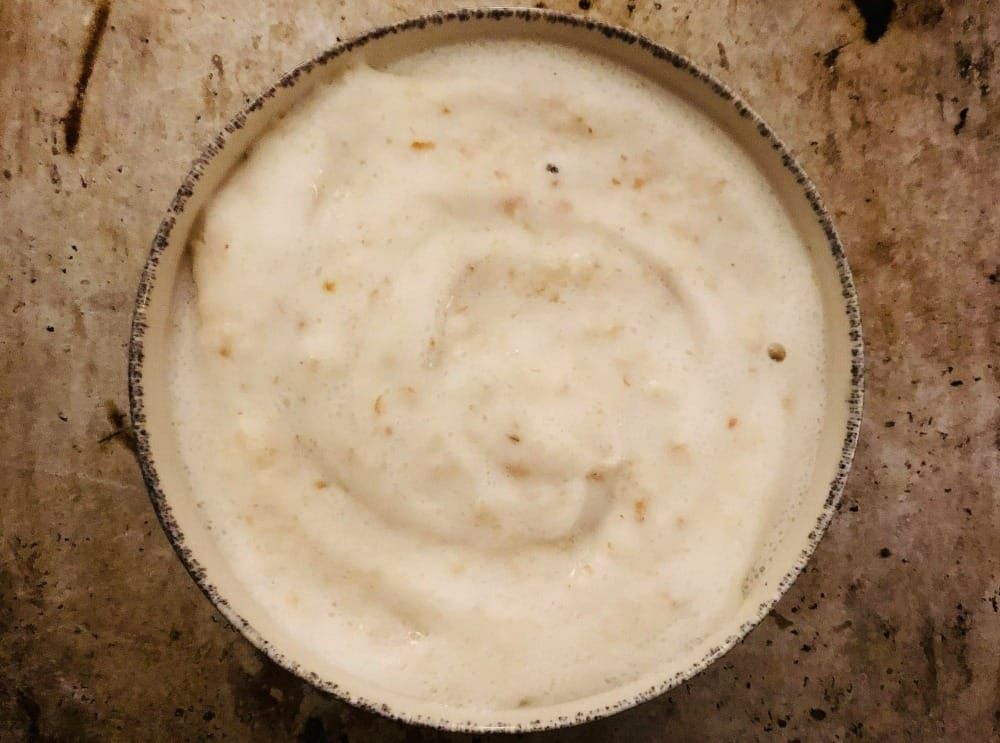
When people talk about dysphagia-friendly foods, the same handful keeps coming up — mashed potato, hummus, smooth yogurt. All valid. But porridge is one of the most versatile, culturally familiar, and nutritionally adaptable foods available across every IDDSI level from 2 to 4 — and it is almost always the thing people already have in the kitchen.
IDDSI itself recognised this. In 2021, the IDDSI team published a dedicated resource — Rice Porridge Around the World — specifically testing how different porridge styles behave at different IDDSI levels. This article uses that framework to organise six porridge types by the level they naturally achieve, with guidance on how to adjust each one and what to verify before serving.
This is a reference guide, not a recipe collection. Each porridge below links to its own dedicated recipe page with full cooking instructions, step-by-step method, and IDDSI consistency checks. This page tells you which level each one reaches and why — so you can find the right porridge for your loved one's prescribed level without reading the whole article.
Important Before You Start
The IDDSI level of any porridge depends on three variables: the water-to-grain ratio, the cooking time, and the serving temperature. The same recipe can produce a Level 3 result at 60°C and a Level 4 result at 40°C as it cools and thickens. Always test at the temperature it will actually be eaten — not straight off the stove.
Temperature significantly affects the IDDSI level of porridge. The IDDSI team found that most rice-based porridges thicken as they cool, which can shift the consistency from Level 3 to Level 4 between preparation and serving.
The two tests used throughout this article:
Spoon Tilt Test — load a teaspoon with the porridge and tilt sideways. Level 3: porridge flows and spreads. Level 4: porridge slides off in a single cohesive motion and holds its shape.
Fork Drip Test — dip a fork in the porridge and lift it. Level 3: drips slowly in dollops through the prongs. Level 4: sits on the fork, barely drips. Level 2: pours freely through the prongs.
For the full testing protocol, see our IDDSI Home Flow Test Guide and the official IDDSI Testing Methods.
IDDSI Downloads Referenced in This Article
All IDDSI resources below are free to download and share under the Creative Commons Attribution-ShareAlike 4.0 licence.
| Resource | Download |
|---|---|
| IDDSI Rice Porridge Around the World (2021) | ⬇ Download PDF |
| IDDSI Framework Poster — Adult | ⬇ Download PDF |
| IDDSI Level 3 Liquidised Handout | ⬇ Download PDF |
| IDDSI Level 3 Moderately Thick Handout | ⬇ Download PDF |
| IDDSI Level 4 Puréed Handout | ⬇ Download PDF |
| IDDSI Level 4 Extremely Thick Handout | ⬇ Download PDF |
| IDDSI Testing Methods | ⬇ Download PDF |
| All Level Handouts Combined | ⬇ Download PDF |
IDDSI Level 2 — Mildly Thick
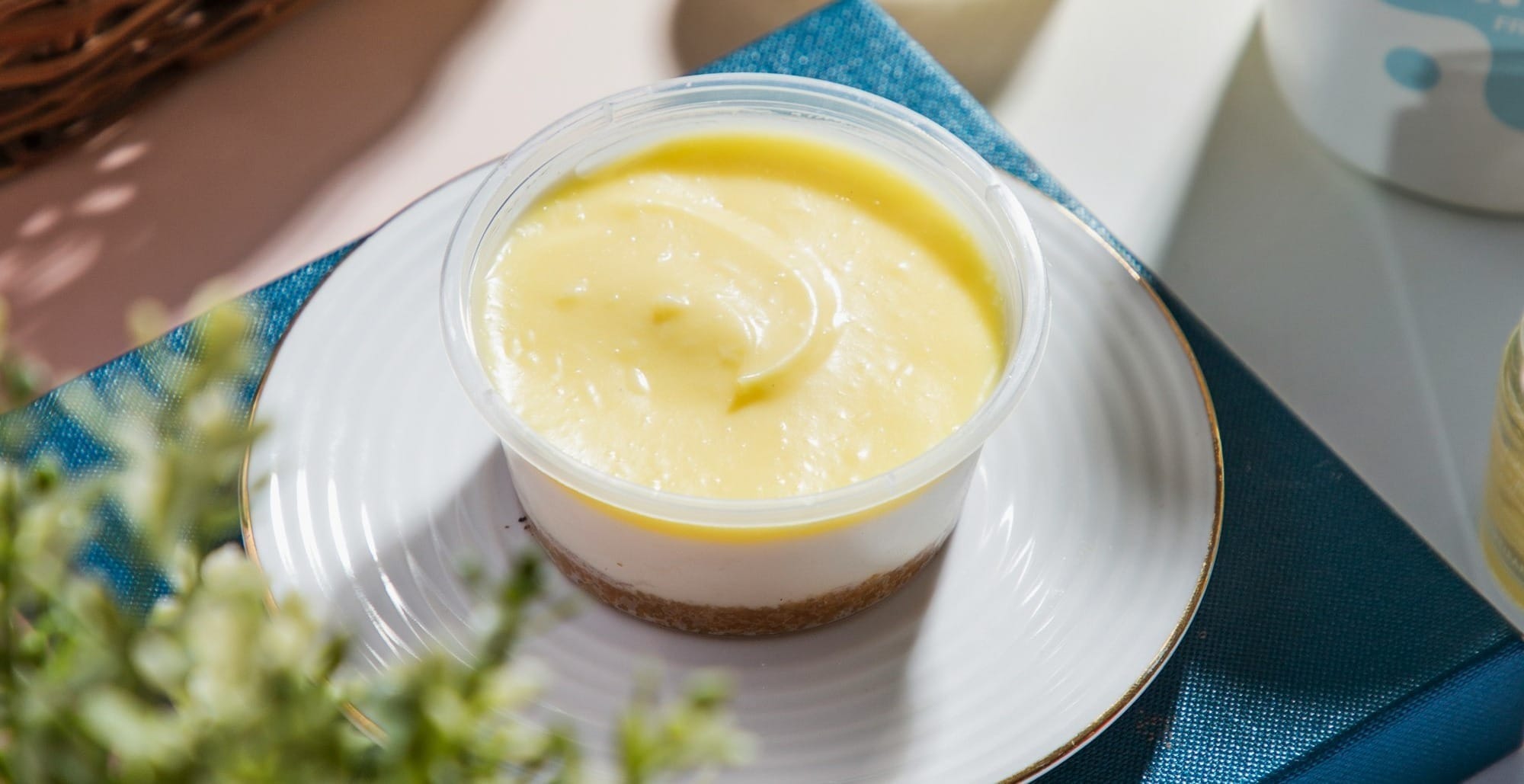
Millet Porridge / Uji (East Africa)
Uji is a thin, pourable porridge made from millet, sorghum, or maize flour. It is sipped rather than spooned — and that distinction is clinically significant. In its traditional form, Uji is a Level 1–2 liquid, not a Level 3 or 4 food.
Why this matters: A person prescribed Level 3 or above for liquids cannot safely consume Uji in its traditional form. The porridge moves too fast for a Level 3 swallowing profile.
IDDSI level: Level 1–2 (Slightly Thick to Mildly Thick) as traditionally prepared.
To reach Level 3: A commercial thickener must be added and verified with the syringe flow test. Add thickener, stir thoroughly, wait the full hydration time (60–90 seconds for gum-based thickeners), and verify with the fork drip test before serving.
To reach Level 4: Uji is not the right base for Level 4 — the flour-based consistency does not thicken reliably to Level 4 without becoming unpalatable. At Level 4, use a grain-based porridge (congee, okayu, polenta) rather than a flour-based.
Who this suits: Level 1–2 liquid prescription, or Level 3 with thickener added and verified.
👉 Full recipe with IDDSI testing steps: Uji Millet Porridge Recipe (link coming soon)
IDDSI Level 3 — Moderately Thick / Liquidised
At Level 3, porridge should flow slowly off a spoon, drip in slow dollops through a fork, and can be drunk from a cup. It does not hold its shape. The IDDSI framework describes this level as food that can be eaten with a spoon or drunk from a cup. It cannot be eaten with a fork because it slowly drips through.
Two porridges naturally achieve Level 3 at standard preparation:
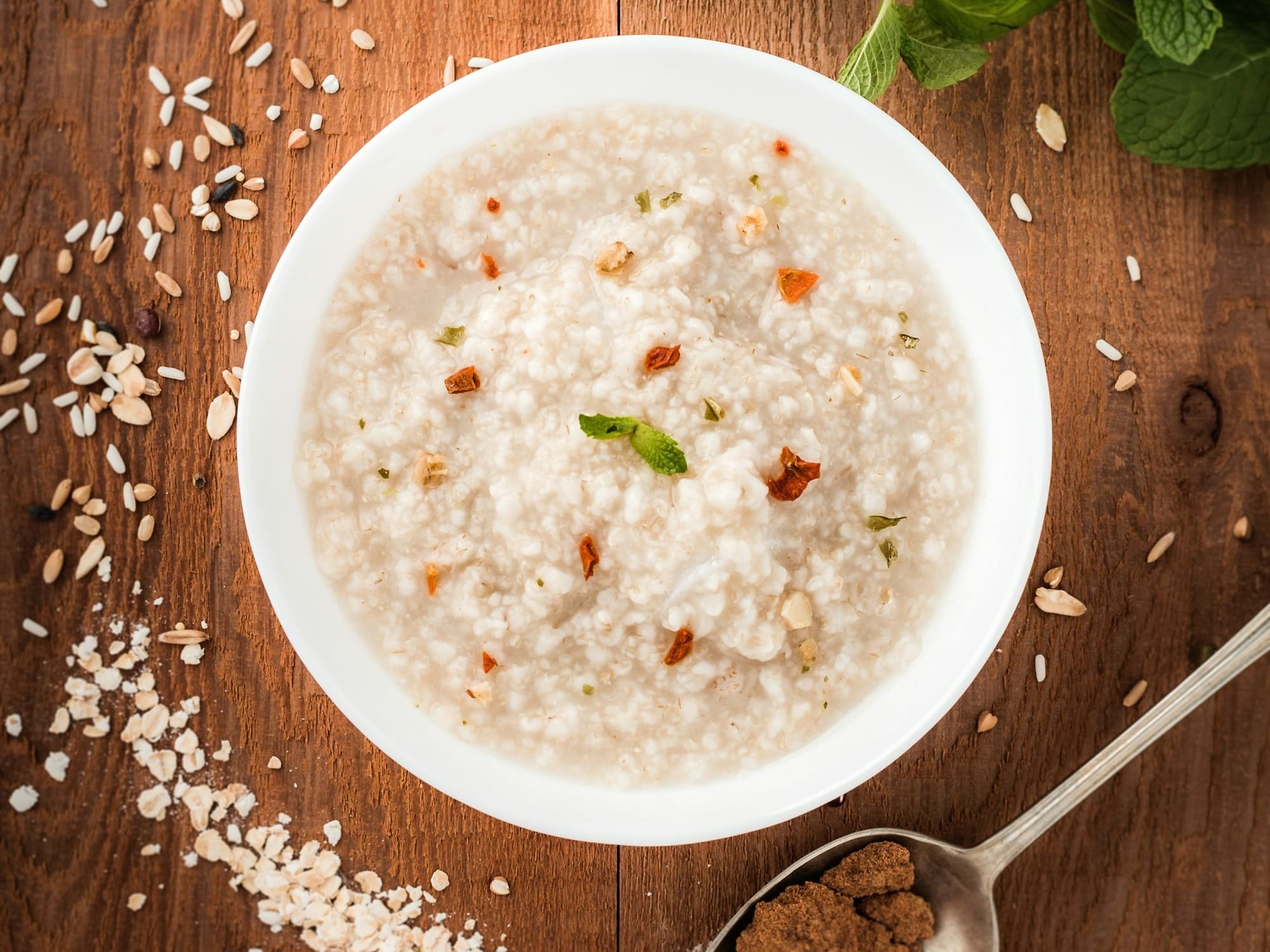
Okayu (Japan)
Okayu is Japan's traditional sick-day rice porridge, prepared at a 5:1 water-to-rice ratio — significantly more water than standard rice. The IDDSI team specifically tested okayu-style congee at multiple temperatures. At a standard 5:1 ratio served at 60°C, okayu typically reaches IDDSI Level 3.
IDDSI level: Level 3 at 5:1 water-to-rice ratio, served at 60°C. May thicken toward Level 4 as it cools to 40°C.
Key IDDSI finding from Rice Porridge Around the World (2021): Rice porridge tested at 60°C, 50°C and 40°C showed similar results across temperatures, though slight thickening was observed as the temperature dropped.
Temperature check: Always test at serving temperature. A bowl of okayu that is Level 3 straight from the stove may be Level 4 by the time it reaches the table. If the person eats slowly, check mid-meal consistency.
To adjust:
- Thinner (toward Level 2): Add more hot water or broth and stir through. Retest.
- Thicker (toward Level 4): Reduce heat and stir without adding liquid, allowing further starch gelatinisation.
Who this suits: Level 3 (Moderately Thick / Liquidised) prescription.
👉 Full recipe with IDDSI testing steps: Okayu Japanese Rice Porridge Recipe (link coming soon)
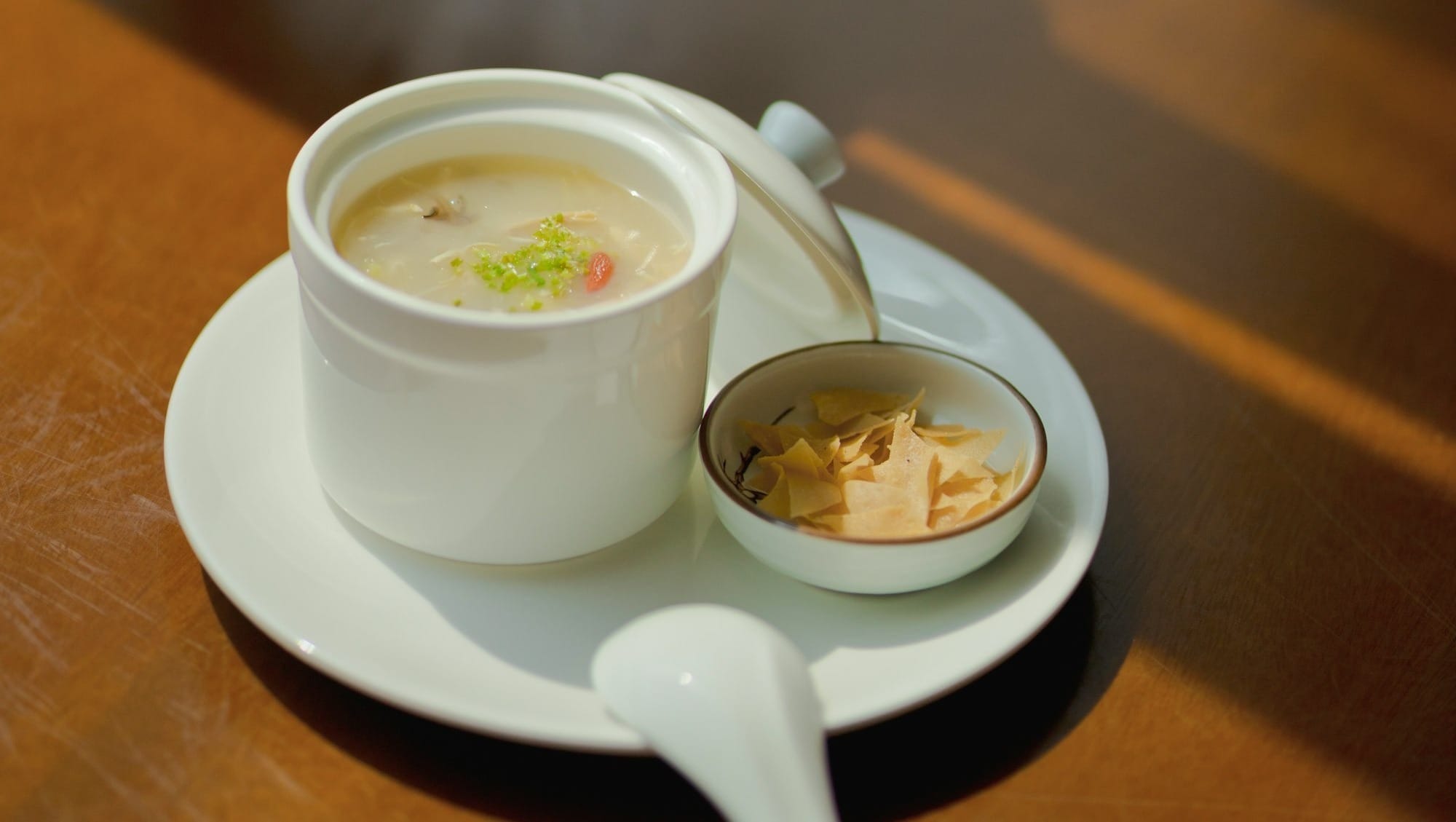
Chiu Chow Congee (Hong Kong)
Chiu Chow congee is prepared by simmering rice in a large quantity of water until the grains fully disintegrate and merge with the broth. At a standard high water-to-rice ratio (approximately 10:1 or higher), the result is a smooth, flowing porridge that reaches IDDSI Level 3.
The IDDSI Rice Porridge Around the World document specifically tested Hong Kong congee styles. Chiu Chow style — which uses fully disintegrated rice — produced results in the Level 3 range at standard preparation.
IDDSI level: Level 3 at high water ratio (10:1 or above). May reach Level 4 at a lower water ratio (6:1 to 8:1).
The water ratio is the primary control variable. More water = thinner = lower level. Less water = thicker = higher level.
To adjust:
- To reach Level 3: Use a 10:1 water-to-rice ratio. Cook until rice fully disintegrates.
- To reach Level 4: Use a 6:1 ratio and cook longer, or allow to cool and thicken naturally.
Important note on temperature: The IDDSI team found that congee thickens as it cools. Check the temperature at which it will be eaten, not immediately after cooking.
Who this suits: Level 3 (Moderately Thick / Liquidised) prescription.
👉 Full recipe with IDDSI testing steps: Chiu Chow Congee Recipe (link coming soon)
IDDSI Level 3–4 — Adjustable Between Moderately Thick and Puréed
These porridges sit naturally between Levels 3 and 4 depending on preparation. The water ratio, cooking time, and temperature determine the final level. Both can be reliably adjusted to hit either Level 3 or Level 4 with minor modifications.
Lugaw / Arroz Caldo (Philippines)
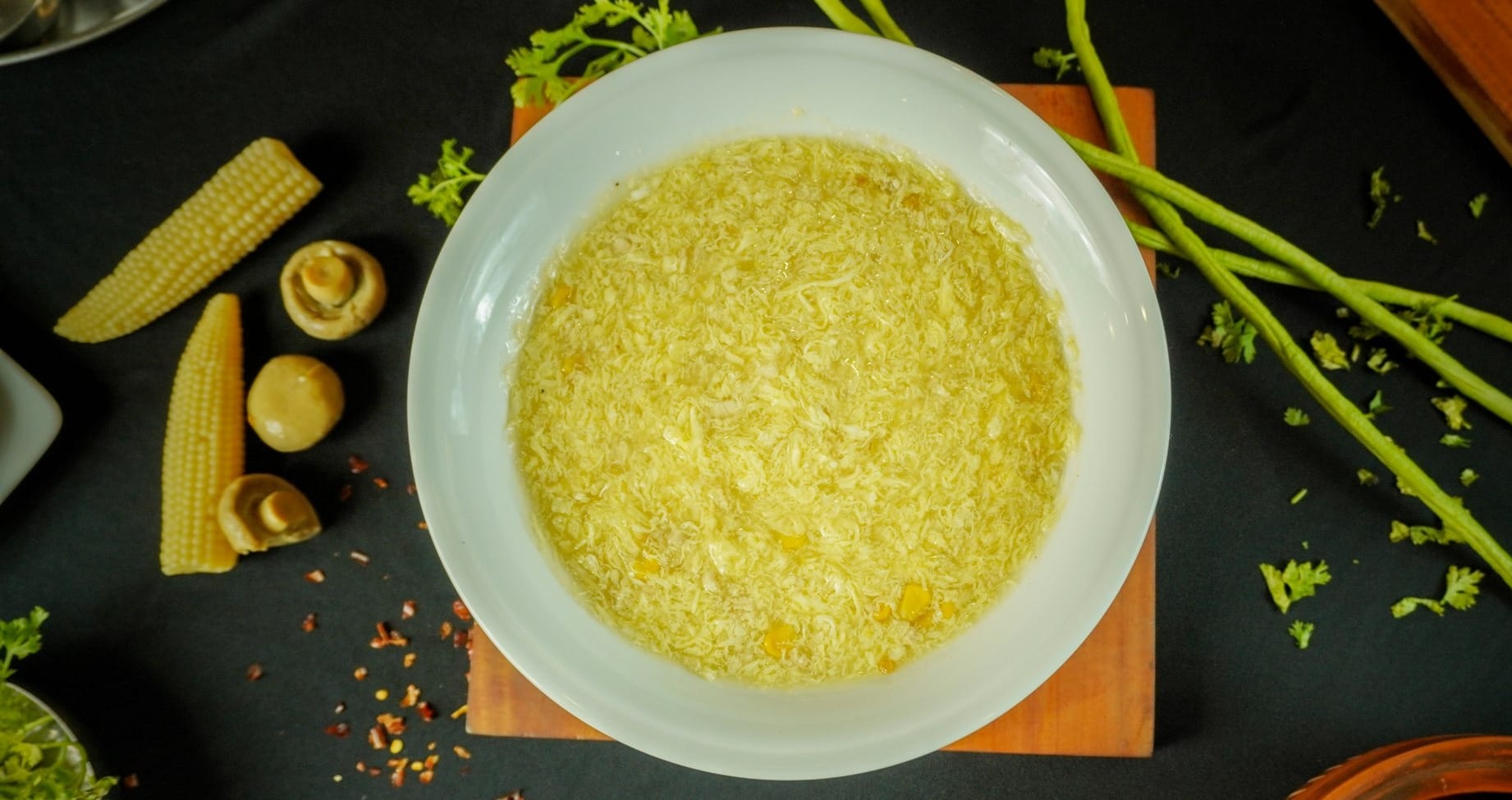
Filipino rice porridge (lugaw) and its chicken broth version (arroz caldo) are cooked low and slow until the rice breaks down into a thick, cohesive consistency. The result naturally falls between Level 3 and Level 4 depending on the broth ratio used.
IDDSI level: Level 3 at standard broth ratio. Level 4 at reduced broth or after cooling.
What the IDDSI Rice Porridge document notes: Rice porridges cooked in broth rather than plain water may produce slightly different viscosity outcomes due to the additional solids in the broth. Always test the actual preparation rather than relying on a published result.
To adjust:
- Level 3: Use a 6:1 or higher broth-to-rice ratio. Serve at 55–60°C.
- Level 4: Use a 4:1 broth-to-rice ratio and cook longer. Allow to cool to 45°C and retest — it will thicken.
Protein addition: Mashed or blended chicken can be stirred through at the appropriate IDDSI level. Ensure the chicken is fully blended to avoid mixed texture — any pieces remaining are a Level 3 or 4 failure.
Who this suits: Level 3 or Level 4 prescription depending on preparation.
👉 Full recipe with IDDSI testing steps: Lugaw / Arroz Caldo Recipe (link coming soon)
Semolina Porridge (Middle East and Europe)
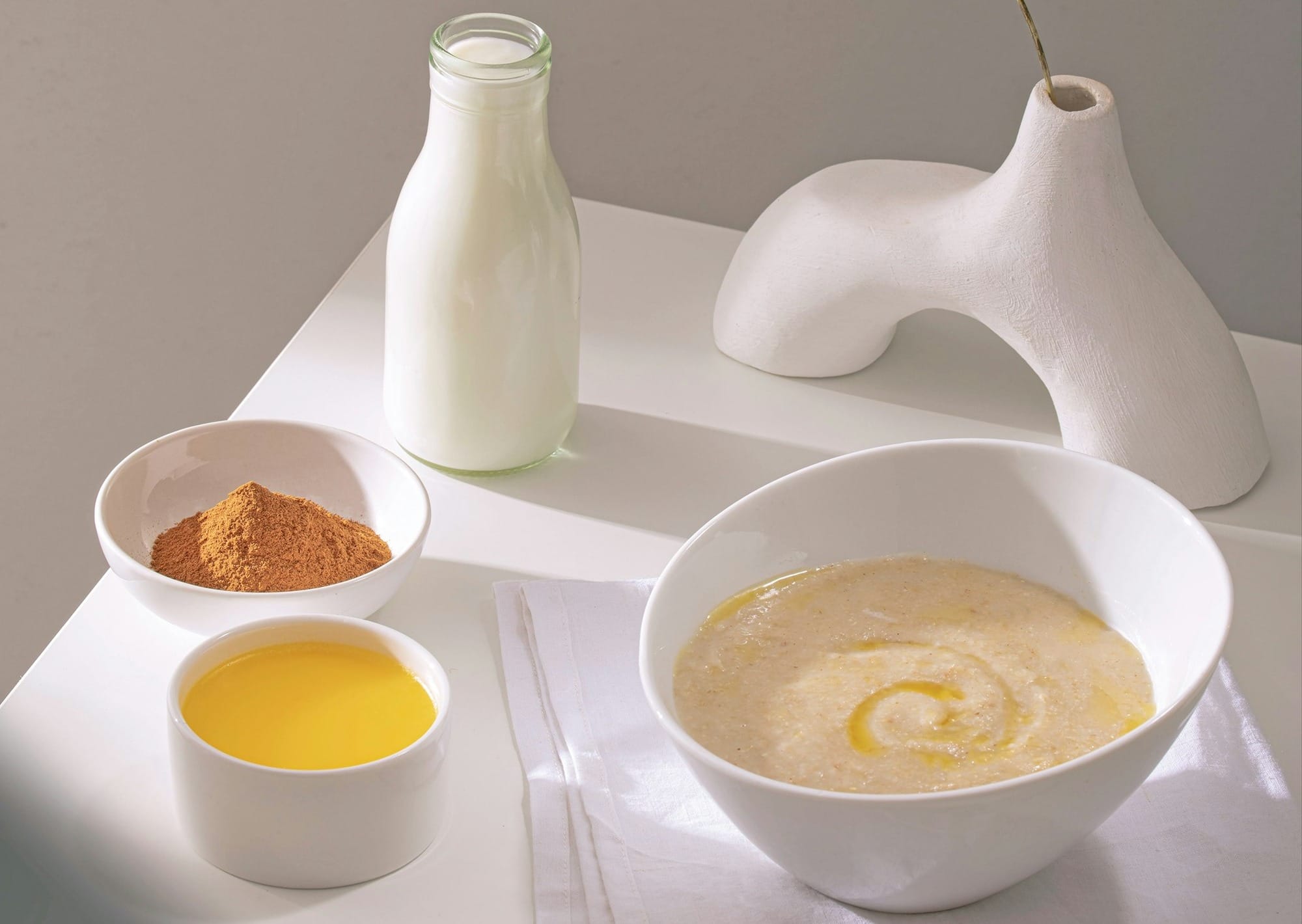
Semolina porridge — known as manna in Eastern Europe, krupicová kaše in Czech, and by various names across the Middle East — is made from durum wheat cooked in milk or milk and water. The milk base produces a naturally richer, slightly thicker consistency than water-based porridges.
IDDSI level: Level 3–4 depending on semolina-to-liquid ratio. Milk-based preparation typically produces a thicker result than water-based.
Key variable: Milk-based semolina continues to thicken after cooking as the starch hydrates further. Prepare slightly thinner than the target level and allow it to reach serving temperature before testing.
To adjust:
- Level 3: Use a higher milk ratio (1:5 semolina-to-milk). Stir continuously and serve at 60°C.
- Level 4: Use a 1:3 ratio. Allow to cool slightly to 45°C — the milk proteins and starch will produce a stable Level 4 consistency.
Nutritional advantage: Milk-based semolina provides meaningful protein and calcium alongside carbohydrate — more nutritionally complete than water-based porridges. This is clinically relevant for dysphagia patients at risk of malnutrition. Adding butter or cream increases caloric density without significantly altering the IDDSI level.
Who this suits: Level 3 or Level 4 prescription depending on preparation.
👉 Full recipe with IDDSI testing steps: Semolina Porridge Recipe (link coming soon)
IDDSI Level 4 — Puréed / Extremely Thick
At Level 4, porridge holds its shape on a spoon. It slides off a tilted spoon in one cohesive movement. It does not pour or flow. It sits in a mound on the fork rather than dripping through the prongs.
Polenta (Italy)
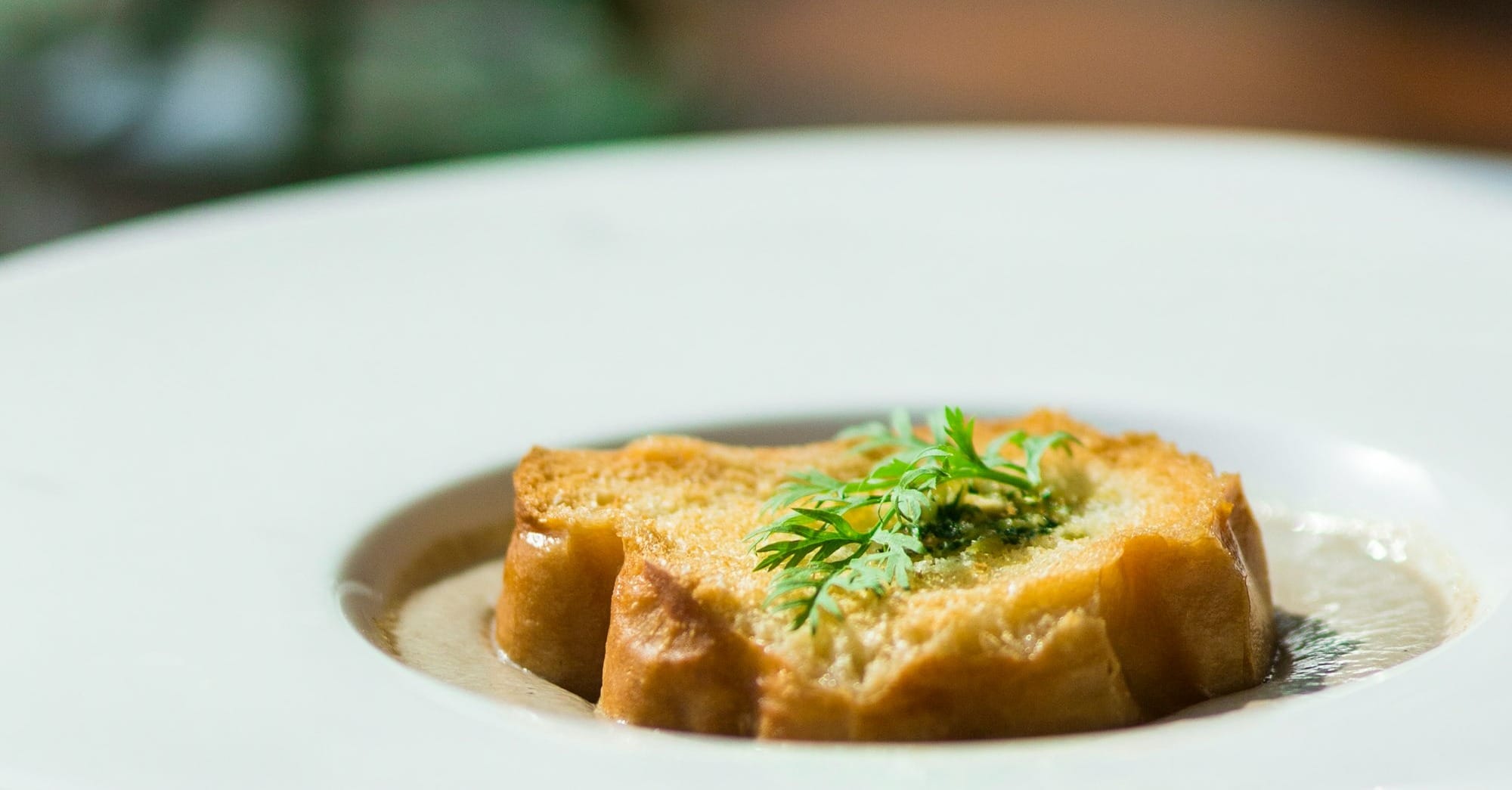
Polenta — cornmeal cooked low and slow in water, milk, or broth — is the most reliably Level 4 of all the porridges in this guide. The starch in cornmeal gelatinises to produce a stable, cohesive consistency that holds shape at standard preparation.
IDDSI level: Level 4 at standard preparation (1:4 cornmeal-to-liquid ratio). Does not thin significantly as it cools — one of polenta's IDDSI advantages over rice-based porridges.
Why polenta is particularly suitable at Level 4: Unlike rice porridges, which can shift between Level 3 and Level 4 with temperature, polenta's starch matrix is more stable across the serving temperature range. A correctly prepared polenta that is Level 4 at 60°C is typically still Level 4 at 45°C.
The spoon tilt test for polenta: Load a teaspoon of polenta and tilt sideways. It should slide off in one slow, cohesive movement, leaving a mostly clean spoon. If it stays firmly stuck, it is too thick — add a tablespoon of warm liquid and stir. If it pours off, it has dropped below Level 4 — return to heat.
Nutritional fortification: Polenta is calorie-light in its plain form. Add butter, grated Parmesan, cream, or full-fat milk as the cooking liquid. These additions increase caloric density without changing the IDDSI level significantly. Our dysphagia nutrition guide covers fortification strategies for Level 4 in detail.
Who this suits: Level 4 (Puréed / Extremely Thick) prescription.
👉 Full recipe with IDDSI testing steps: Polenta Recipe for Dysphagia (link coming soon)
Quick Reference: Which Porridge for Which Level
| IDDSI Level | Porridge | Natural Consistency | Adjustment Needed? |
|---|---|---|---|
| Level 2 | Millet Porridge / Uji | Level 1–2 | Yes — add thickener for Level 3+ |
| Level 3 | Okayu (Japan) | Level 3 at 5:1 ratio, 60°C | Monitor temperature — thickens as it cools |
| Level 3 | Chiu Chow Congee | Level 3 at 10:1 ratio | Reduce ratio for Level 4 |
| Level 3–4 | Lugaw / Arroz Caldo | Level 3–4 adjustable | Adjust broth ratio |
| Level 3–4 | Semolina Porridge | Level 3–4 adjustable | Adjust liquid ratio and temperature |
| Level 4 | Polenta | Level 4 stable | Most consistent across temperatures |
How to Adjust Any Porridge to Your Level
If a porridge is too thin (below your target level):
- Reduce the liquid ratio — use less water, milk, or broth
- Cook longer at low heat, stirring continuously — starch continues gelatinising with heat
- Allow to cool slightly — most starch-based porridges thicken as temperature drops
- Add a small amount of commercial thickener and stir through — gum-based thickeners work in hot porridge without clumping
If a porridge is too thick (above your target level):
- Add warm liquid gradually — a tablespoon at a time — stirring between each addition
- Retest after each addition
- Do not add cold liquid to hot porridge — it can cause the starch to seize unevenly
Always retest after any adjustment. The spoon tilt test takes five seconds and confirms the level before the bowl reaches the table.
How to Make Every Porridge More Nutritious
Porridge is often calorie-light in its plain form. For dysphagia patients at risk of malnutrition — which includes a significant proportion of those on modified texture diets — every bowl of porridge should be fortified. The good news is that most fortification additions do not significantly change the IDDSI level when added in moderate quantities.
For savoury porridges (congee, lugaw, polenta):
- Replace water with full-fat milk, single cream, or bone broth
- Stir in butter or coconut cream after cooking
- Add smooth cream cheese for protein and fat
- Blend in smooth mashed protein (chicken, fish, lentils) — verify the mixed consistency meets the target level
For sweet porridges (semolina, okayu, millet):
- Cook with full-fat milk or enriched milk (full-fat milk with 4 tablespoons dried milk powder)
- Stir in honey, maple syrup, or smooth nut butter
- Add full-fat yogurt alongside for protein
- Serve with smooth fruit purée on the side — same IDDSI level, additional calories and variety
For a full guide to caloric fortification on modified texture diets, see our IDDSI Level 4 Diet Guide and IDDSI Level 3 Diet Guide.
Safety Notes
Always confirm the IDDSI level with your speech-language pathologist before introducing any new food. The level descriptions in this article reflect typical results — individual preparation variables mean every batch must be tested before serving.
Temperature changes the level. Test at serving temperature, not preparation temperature. Check mid-meal again if the person eats slowly.
Mixed textures are not Level 3 or 4. Any topping, garnish, or addition that creates a different texture within the porridge constitutes a mixed texture — which is unsafe at Levels 3 and 4. No scallion pieces, whole grains, seeds, or chunks of any kind in Level 3 or 4 porridge. Toppings must be at the same or lower IDDSI level as the base porridge, or omitted entirely.
Thin sauces poured over porridge create a mixed texture. If adding a savoury sauce or sweet coulis, it must be at the same IDDSI level as the porridge — not thinner. A thin sauce poured over a Level 4 porridge immediately creates a mixed texture failure.
IDDSI Resources for Porridge and Texture Testing
| Resource | Download |
|---|---|
| Rice Porridge Around the World — IDDSI (2021) | ⬇ Download PDF |
| IDDSI Testing Methods | ⬇ Download PDF |
| IDDSI Level 3 Liquidised Handout | ⬇ Download PDF |
| IDDSI Level 4 Puréed Handout | ⬇ Download PDF |
| All Levels Combined Handout | ⬇ Download PDF |
All IDDSI resources are © The International Dysphagia Diet Standardisation Initiative 2019 and licensed under Creative Commons Attribution-ShareAlike 4.0. Free to download, print, and share with attribution.
Individual Porridge Recipes
Each porridge below has its own dedicated recipe page with full cooking instructions, step-by-step IDDSI testing, fortification options, and serving suggestions:
- Okayu — Japanese Rice Porridge for Dysphagia
- Chiu Chow Congee for Dysphagia
- Lugaw / Arroz Caldo for Dysphagia
- Semolina Porridge for Dysphagia
- Polenta for Dysphagia
- Uji Millet Porridge for Dysphagia
References
IDDSI. (2021). Rice porridge around the world. https://www.iddsi.org/images/Publications-Resources/Publications/RicePorridgeAroundTheWorld.pdf
IDDSI Framework. (2019, updated 2024). Complete framework and detailed definitions V2.2. https://www.iddsi.org/framework
IDDSI Testing Methods. (2019). https://www.iddsi.org/standards/testing-methods
Cichero, J. A. Y., et al. (2017). Development of international terminology and definitions for texture-modified foods and thickened fluids used in dysphagia management. Dysphagia, 32(2), 293–314. https://doi.org/10.1007/s00455-016-9758-y