Okayu Japanese Rice Porridge Recipe (IDDSI Level 3)
Japan's traditional sick-day rice porridge naturally reaches IDDSI Level 3 at a 5:1 ratio. Recipe with spoon tilt test and fortification tips.

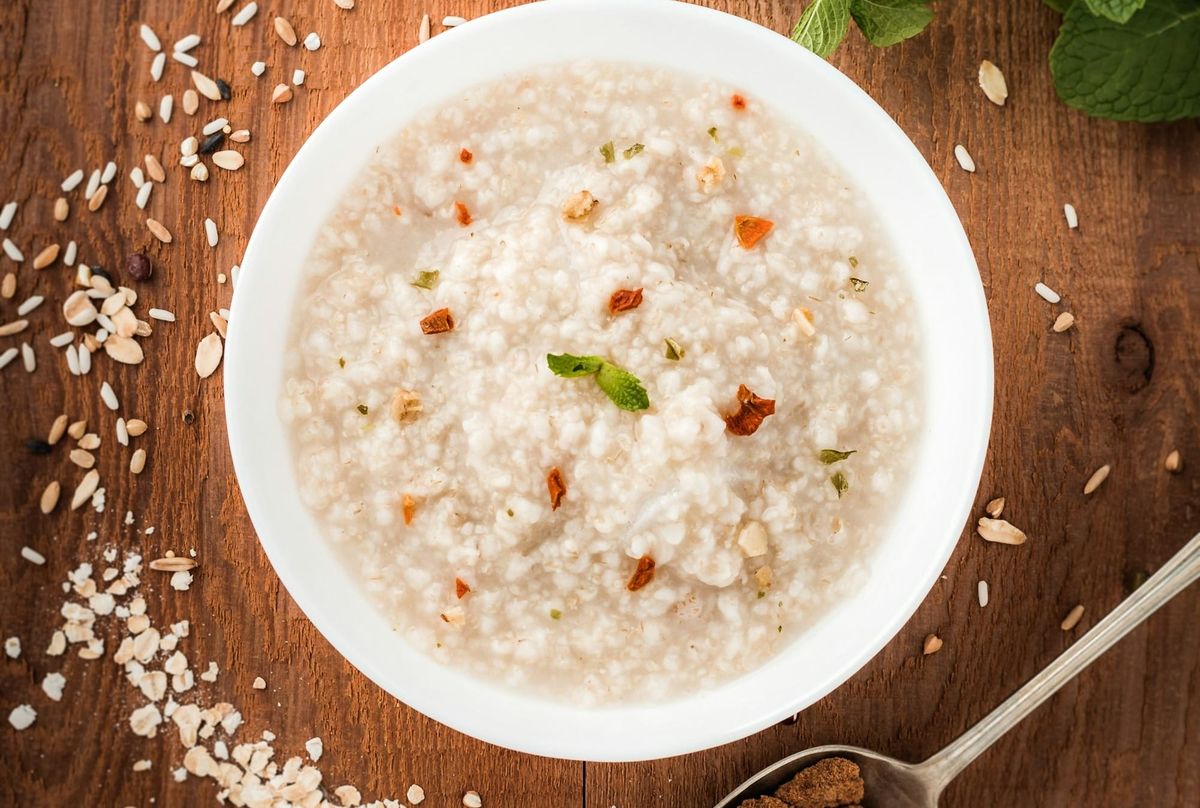
Japan's traditional rice porridge for recovery days. At a 5:1 water-to-rice ratio, okayu naturally reaches IDDSI Level 3 (Moderately Thick / Liquidised) — one of the most clinically reliable porridges for dysphagia without any modification.
IDDSI Level 3. Dysphagia-Adapted Japanese Rice Porridge
Okayu has been served to the sick, the elderly, and the very young in Japan for centuries — not because it was prescribed, but because it is genuinely comforting, easy to digest, and gentle on the body. The 5:1 water-to-rice ratio produces a smooth, flowing consistency that the IDDSI team formally tested and confirmed reaches Level 3 at standard preparation.
The water ratio is the key variable. More water produces a thinner result. Less water produces a thicker one. The recipe below gives you both versions clearly.
What you need:
| Ingredient |
|---|
| The Okayu: |
| ¼ cup (50g) Japanese short-grain rice — or any short-grain white rice |
| 1¼ cups (300ml) water — the 5:1 ratio |
| Pinch of fine salt |
| Optional Fortification: |
| 1 tsp unsalted butter — stir in after cooking |
| 1 tbsp full-fat cream cheese — stir in for protein and calories |
| 1 soft-cooked egg yolk — stir through for protein (no white) |
| 1 tbsp smooth blended chicken — verified at Level 3 before adding |
Avoid scallion pieces, sesame seeds, whole grains, nori strips, fried toppings, or any garnish that creates a mixed texture. All additions must be the same IDDSI level as the base porridge.
Cooking Steps (Standard Preparation)
- Rinse the rice: Rinse under cold water until the water runs mostly clear. This removes excess surface starch that can cause uneven thickening.
- Combine rice and water: Place the rinsed rice and 1¼ cups cold water in a small saucepan.
- Bring to a gentle boil: Over medium heat, bring to a boil with the lid slightly ajar.
- Reduce and simmer: Reduce heat to the lowest setting. Simmer for 30–40 minutes, stirring every 5–10 minutes to prevent sticking. The rice should gradually break down and partially dissolve into the water.
- Check consistency: At 30 minutes, do the fork drip test. Slowly separate dollops through the prongs = Level 3. Pours freely = below Level 3, continue cooking. Barely drips = approaching Level 4, add a tablespoon of hot water and stir.
- Season and fortify: Add salt. Stir in butter or cream cheese if using. Stir through blended protein if adding. Retest consistency after any addition.
The Dysphagia Transformation (Choose Your Level)
For IDDSI Level 3 — Moderately Thick / Liquidised
- Water ratio: 5:1 to 6:1. Cook for 35–40 minutes.
- Consistency target: Flows slowly off a spoon. Drips through fork prongs in slow, separate dollops — not a stream, not stuck. Can be drunk from a cup slowly.
- Temperature note: Okayu thickens as it cools. A Level 3 result at 60°C may be Level 4 at 45°C. Serve promptly and retest at serving temperature if the person eats slowly.
- If too thick: Add a tablespoon of hot water, stir thoroughly, retest.
- If too thin: Continue cooking uncovered for 5 more minutes, stirring.
For IDDSI Level 4 — Puréed / Extremely Thick
- Water ratio: 4:1. Cook for 40–45 minutes. Allow to cool to 45°C — okayu naturally thickens to Level 4 as the temperature drops.
- Consistency target: Slides off a tilted spoon in one cohesive movement. Sits in a mound on the fork without dripping through.
- Alternatively: Prepare at Level 3 ratio and allow to cool — the natural thickening as temperature drops often produces Level 4 without any recipe change.
Safety Checks (The IDDSI Tests)
- Fork Drip Test (Level 3): Dip a fork into the okayu and lift it horizontally. It should drip slowly through the prongs in separate dollops — not pour freely and not stay stuck. Pours = below Level 3. Stays = Level 4 or above.
- Spoon Tilt Test (Level 3 & 4): Load a teaspoon and tilt sideways. Level 3: flows and spreads. Level 4: slides off in one cohesive movement.
- Temperature check: Always test at serving temperature — not immediately off the stove. Check mid-meal again if the person eats slowly.
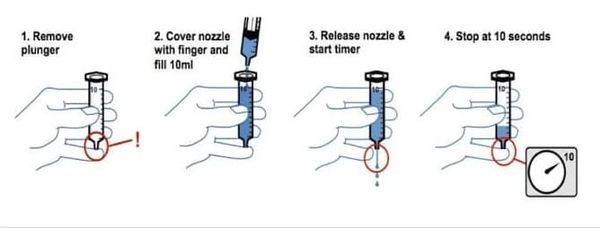
Read the guide here: IDDSI Flow Test at Home: Step-by-Step Guide With Photos
Official IDDSI rice porridge testing: Rice Porridge Around the World — IDDSI 2021 (PDF)
Variations
Dashi stock base: Replace water with strained dashi stock for a deeper savoury flavour. Consistency behaves identically to water. Adds electrolytes — useful for hydration.
Chicken okayu: Blend soft-cooked chicken separately until completely smooth. Stir through after cooking and retest — blended protein can slightly thicken the okayu. Ensure no fibres remain.
Sweet okayu: Add 1 teaspoon of honey and a pinch of cinnamon after cooking. Serve with smooth puréed fruit alongside — verified at the same IDDSI level.
Enriched milk base: Replace half the water with full-fat milk for a creamier, higher-calorie result. Monitor consistency carefully and retest — the milk proteins affect thickening.
Storage
- Okayu thickens significantly when refrigerated — it will be Level 4 or above after overnight storage.
- Reheat gently over low heat with a splash of water or stock, stirring continuously until the desired consistency is restored.
- Always retest consistency after reheating before serving.
- Best consumed fresh. Can be refrigerated for up to 48 hours.
Important Safety Note
Always follow the specific IDDSI level recommended by your speech-language pathologist. Okayu's consistency changes with temperature and water ratio — always verify with the fork drip test or spoon tilt test at serving temperature before serving. Read more about how to do the consistency check here: IDDSI Flow Test at Home: Step-by-Step Guide With Photos
Three Golden Rules for Dysphagia Okayu Cooking
- Temperature changes the level. Okayu is one of the porridges most affected by cooling. A Level 3 result at 60°C may be Level 4 at 45°C. Always test at the temperature it will be eaten — not straight from the stove.
- No mixed textures. Any addition to okayu must be fully incorporated and verified at the same IDDSI level. A smooth egg yolk stirred through is appropriate. A piece of fish placed on top is not.
- More water, not less time, produces Level 3. If the okayu is too thick, add hot water and retest. Reducing cooking time produces undercooked rice with grainy particles — which is a Level 3 failure regardless of how the liquid behaves.
Back to the full porridge guide: Dysphagia-Friendly Porridge Recipes for Every IDDSI Level