Polenta Recipe for Dysphagia (IDDSI Level 4)
Polenta is the most reliable IDDSI Level 4 porridge — stable across temperatures. Dysphagia recipe with spoon tilt test and fortification tips.

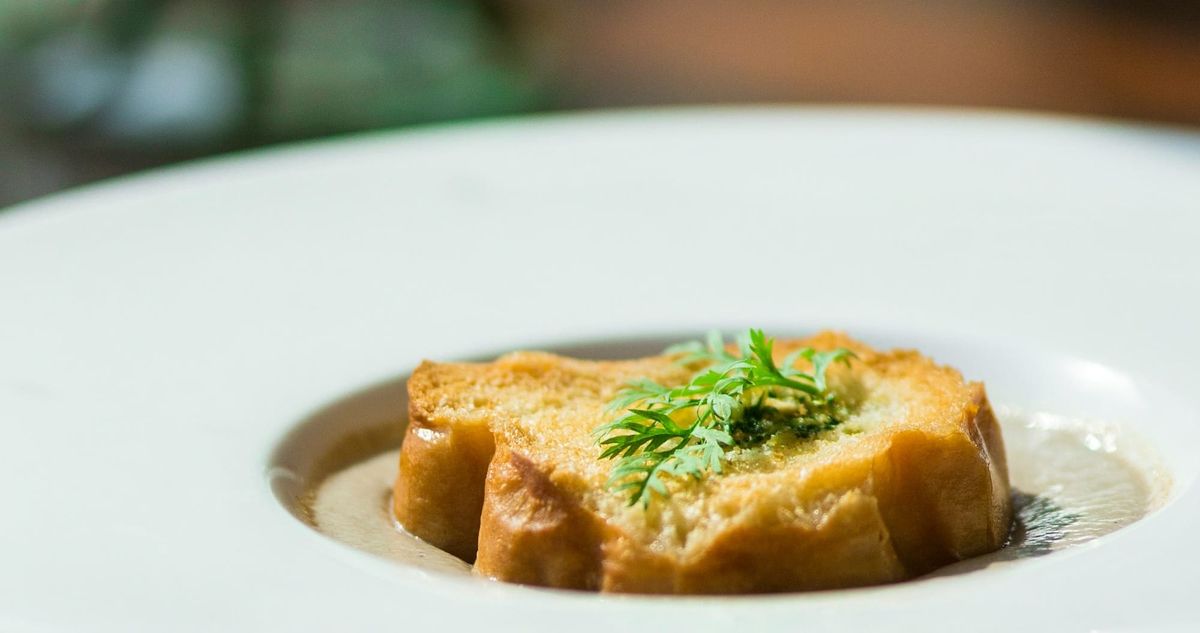
Smooth, satisfying, and the most temperature-stable porridge at Level 4 — polenta holds its consistency as it cools, making it the most reliable and forgiving choice for home caregivers managing IDDSI Level 4.
IDDSI Level 4. Dysphagia-Adapted Italian Polenta
Polenta is Northern Italy's staple grain dish — cornmeal cooked low and slow in water, milk, or broth until it turns thick, smooth, and cohesive. For dysphagia management, polenta has a specific clinical advantage over rice-based porridges: its cornstarch matrix is more stable across the serving temperature range. A polenta that is Level 4 at 60°C is typically still Level 4 at 45°C — unlike okayu or congee, which can shift a full level as they cool. This makes polenta the most reliable and forgiving Level 4 porridge for home caregiver use.
What you need:
| Ingredient |
|---|
| The Polenta: |
| ¼ cup (40g) fine polenta or fine cornmeal — use fine-ground only |
| 1 cup (240ml) water, full-fat milk, or chicken or vegetable broth |
| Pinch of fine salt |
| Savoury Fortification (recommended): |
| 1 tbsp unsalted butter — stir in after cooking |
| 2 tbsp finely grated Parmesan — melt through completely for protein and calories |
| 1 tbsp full-fat cream cheese — stir in for protein |
| Sweet Fortification: |
| 1 tsp honey or maple syrup |
| Pinch of cinnamon |
| 1 tbsp full-fat cream — stir in after cooking |
Avoid: coarse polenta (grainy texture — cannot reach Level 4 smoothness), whole herb leaves, black pepper (visible flecks — use white pepper only), hard cheese added at the table without melting through, any topping that creates a mixed texture.
Cooking Steps (Standard Preparation)
- Mix polenta with cold liquid first: Place the measured polenta in a small bowl and stir in 2 tablespoons of the cold liquid to make a smooth slurry. This prevents lumps when the polenta hits hot liquid.
- Heat the liquid: Bring the remaining liquid to the boil in a small saucepan over medium heat.
- Add polenta slurry: Pour the polenta slurry into the boiling liquid while stirring constantly. Do not stop stirring.
- Reduce and cook: Reduce heat to low immediately. Cook for 5–8 minutes, stirring continuously. The mixture will thicken quickly and steadily.
- Test consistency: Load a spoon and tilt. Slides off in one cohesive movement = Level 4. Pours = cook further.
- Add fortification: Remove from heat. Stir in butter, cheese, cream cheese, or sweet additions until fully incorporated.
- Serve promptly: Polenta skins over quickly on the surface — serve immediately after the consistency check.
The Dysphagia Transformation (Choose Your Level)
For IDDSI Level 4 — Puréed / Extremely Thick
- Ratio: ¼ cup fine polenta to 1 cup liquid. Standard recipe above.
- Consistency target: Slides off a tilted spoon in one slow, cohesive movement. Sits in a mound on a fork without dripping through the prongs. Holds a fork impression when pressed gently.
- Temperature advantage: Polenta holds Level 4 consistency as it cools — the most important clinical advantage. A bowl of Level 4 polenta, when served, remains Level 4 while the person eats it.
- If too thick: Add a tablespoon of warm liquid and stir vigorously. Retest.
- If too thin: Return to low heat and stir for 2–3 more minutes without adding liquid.
For IDDSI Level 3 — Moderately Thick / Liquidised
- Ratio: ¼ cup polenta to 1½ cups liquid. The extra liquid produces a thinner, flowing consistency.
- Cook for: 5 minutes only.
- Note: Polenta at Level 3 is less temperature-stable than at Level 4 — it may still thicken slightly as it cools. Retest at serving temperature.
Safety Checks (The IDDSI Tests)
- Spoon Tilt Test (Level 4): Load a teaspoon with polenta and tilt sideways. It should slide off in one slow, cohesive movement, leaving the spoon mostly clean. If it stays stuck — too thick, add warm liquid. If it pours — below Level 4, return to heat.
- Fork Mound Test (Level 4): Scoop polenta onto a fork. It should sit in a mound above the prongs without dripping through.
- Lump check: Run a spoon through the surface. No detectable grain or lump resistance. If any graininess — the polenta is coarse-ground or undercooked. Start again with fine-ground polenta.
- Surface skin check: Polenta skins over quickly when exposed to air. Stir the surface gently before serving — the skin may be slightly firmer than the interior, creating a mixed texture.
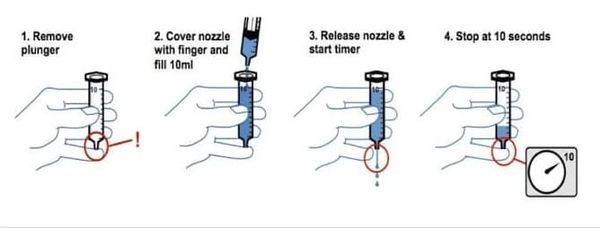
Read the guide here: IDDSI Flow Test at Home: Step-by-Step Guide With Photos
Variations
Parmesan and butter (savoury): The most classic Italian version. Stir in 1 tbsp butter and 2 tbsp finely grated Parmesan after cooking. Both melt through completely. Highly calorie-dense — the best fortification option for Level 4 polenta.
Broth-based polenta: Replace water entirely with warm chicken or vegetable broth. Adds significant savoury depth and electrolytes. Retest after switching from water, as broth solids may slightly affect consistency.
Milk-based polenta: Replace water with full-fat milk for a creamy flavour. Higher in protein and calcium. Milk-based polenta thickens slightly more than water-based — add a small amount of extra milk if needed and retest.
Sweet polenta with smooth fruit coulis: Prepare the sweet version with honey and cream. Serve with smooth puréed fruit — apricot, peach, or mango- sieved smooth and verified at Level 4 — alongside. A culturally neutral dessert option.
Storage
- Polenta sets firm when refrigerated — it will be Level 6 or 7 after storage, not Level 4.
- Reheat over low heat with added warm liquid, stirring continuously until Level 4 consistency returns.
- Always retest after reheating.
- Best served fresh. Can be refrigerated for up to 24 hours and reheated with added liquid.
Important Safety Note
Always follow the IDDSI level recommended by your speech-language pathologist. Fine-ground polenta is required — coarse polenta does not achieve Level 4 smoothness. Always verify with the spoon tilt test before serving. Read more about how to do the consistency check here: IDDSI Flow Test at Home: Step-by-Step Guide With Photos
Three Golden Rules for Dysphagia Polenta Cooking
- Fine-ground only. Coarse polenta produces a grainy texture that cannot be made Level 4 without a blender and fine sieve. Always buy fine polenta or fine cornmeal specifically. Check the bag before cooking.
- Mix to a slurry first. Adding dry polenta directly to hot liquid creates instant lumps that are extremely difficult to remove. The cold-liquid slurry method prevents this entirely.
- Polenta is your most forgiving Level 4 porridge. Unlike rice-based porridges, polenta holds its Level 4 consistency as it cools. If you are managing a slow eater or multiple mealtimes — polenta is the most reliable Level 4 choice.
Back to the full porridge guide: Dysphagia-Friendly Porridge Recipes for Every IDDSI Level