What to Do When Someone Refuses Thickened Drinks
A guide to thickened liquid refusal — why it happens, what actually works, the Frazier Free Water Protocol explained, and when to escalate to the clinical team.

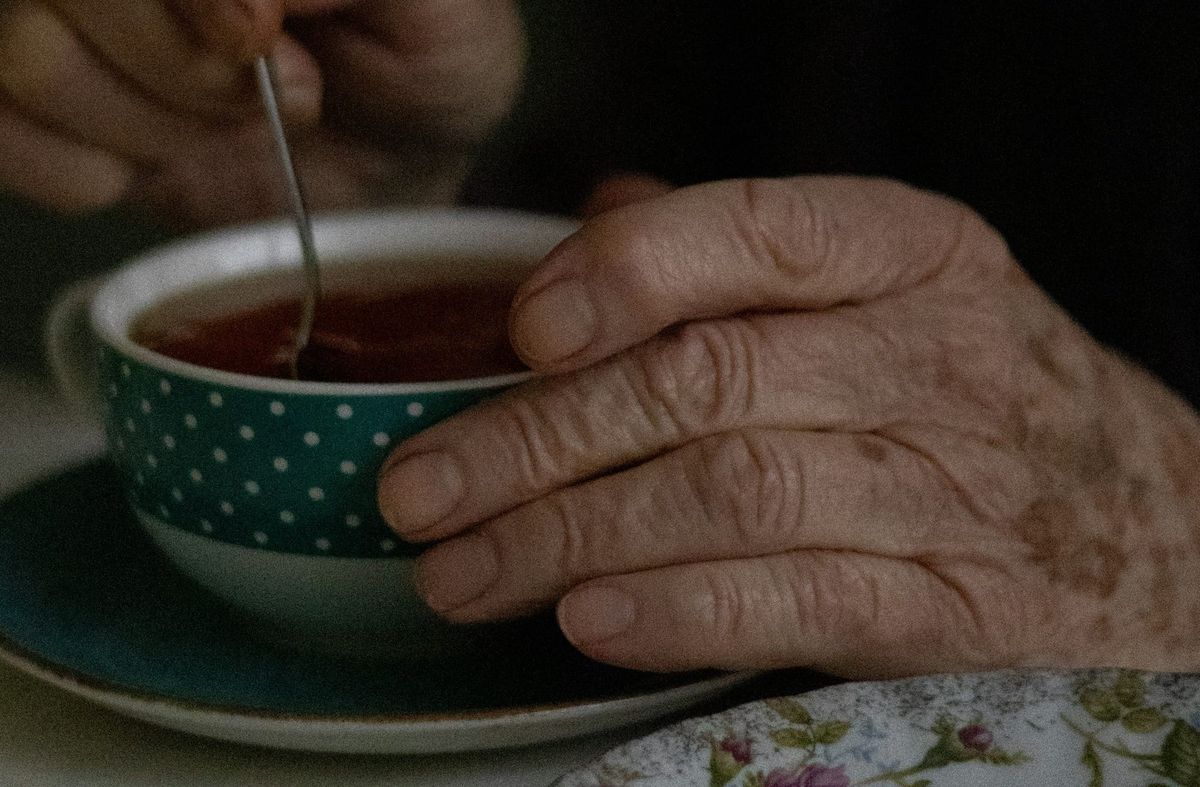
I have sat at the bedside of a woman who hadn't drunk more than a few sips in three days. Not because she couldn't swallow. Not because she was unconscious. Because she had been prescribed thickened liquids after a stroke, she refused every cup I brought her. She pushed them away. She turned her head. Once she knocked a cup off the tray without a word.
By day three, she was confused, her lips were dry, and her urine was the colour of strong tea. I documented everything and escalated immediately. She was admitted to the hospital that afternoon for IV hydration.
I learned more about thickened liquid refusal from that one week than from any training I'd done before. And the most important thing I learned was this: when someone refuses thickened drinks consistently, it is not stubbornness. It is almost always a rational response to something that genuinely feels unpleasant — and our job as caregivers is to understand why and find a way through.
Why People Refuse Thickened Drinks
Before trying any solution, it helps to understand what is actually happening physiologically when someone drinks a thickened liquid.
A combination of poor flavour and increasing feelings of fullness results in little motivation and poor physiological drive to consume thickened liquids. Thickened drinks are specifically designed — by their physical properties — to make people feel full and less thirsty after drinking them. The very thing that makes them safer is also what makes them feel unsatisfying. A person who has drunk a cup of thickened water has not had their thirst quenched the way a glass of plain water would quench it. They feel full before they feel hydrated.
With conventional care, 39% of dysphagia patients are likely to be dehydrated — and refusal of thickened liquids is one of the primary reasons why. This is not a niche problem. It is one of the most consistent and serious practical challenges in dysphagia management.
Beyond the physiology, the reasons people refuse fall into several distinct categories — and identifying which one applies determines the response:
Taste. Starch-based thickeners, in particular, significantly alter the flavour of drinks. Flavour deteriorates with increasing thickness regardless of thickening agent — but the deterioration is significantly worse with starch than with gum-based products, especially in acidic or hot drinks.
Appearance. Starch thickeners turn drinks cloudy and sometimes gelatinous-looking. A cup of tea that looks like gravy is not psychologically appealing, regardless of how it tastes. This is more than vanity — visual expectation is a genuine part of the drinking experience.
Texture. The mouthfeel of thickened liquid is fundamentally different from what the person has experienced their entire life. For someone who has drunk plain water for 80 years, moderately thick water feels deeply wrong in the mouth, regardless of whether it is safe.
The feeling doesn't quench thirst. As the research above shows — this is a real physiological effect, not imagination. The person is not wrong when they say thickened water doesn't feel like it helps. It doesn't satisfy thirst the same way plain water does.
Loss of autonomy. For many people — particularly those who are otherwise independent — accepting thickened drinks means accepting that something fundamental has changed. The refusal is sometimes about the drink and sometimes about what the drink represents.
Not understanding why. A person with mild cognitive impairment or early dementia who has not fully understood the explanation for thickened drinks may simply not have the context to accept them. The connection between the thick drink and the aspiration risk they can't feel has not been established for them.
First Thing to Try — Before Escalating
When someone I care for refuses thickened drinks, my first step is always to understand which of the above is driving the refusal. The response to "it tastes wrong" is different from the response to "I don't see why I need this."
Switch the Thickener Type
This is the most consistently effective first step and the one most often skipped. Thickened liquids are often not well received by patients, resulting in patients often refusing them outright or covertly consuming thin liquids. But refusal of one thickener type does not mean refusal of all thickeners.
If the person has been prescribed a starch-based thickener — Thick-It, Thick & Easy powder — switch to a gum-based option. The difference is significant:
Gum-based thickeners like SimplyThick or Nutilis Clear stay clear in drinks, have minimal taste impact, and do not continue thickening after mixing. A cup of tea thickened with a gum-based product looks and tastes significantly more like a normal cup of tea than one thickened with starch. I have seen consistent refusers accept a gum-based thickened drink the same day they pushed away a starch-thickened one.
For a full comparison of the two types, our gum-based thickener guide covers the differences in detail.
Use the Right Drink for the Thickener
Not all drinks thicken equally. Plain water is the hardest thickened drink to accept — it looks and feels most unlike what the person expects. Starting with a drink that has its own strong flavour — a fruit juice, a milkshake, a flavoured drink — disguises the thickener more effectively.
Cold drinks are almost always better tolerated than hot ones at first. The cold temperature reduces the perception of altered texture and suppresses some of the taste changes. Start with cold drinks to establish acceptance, then reintroduce hot drinks once the thickener is less unfamiliar.
Our guide to thickening everyday drinks covers which thickeners work best for which drinks — some combinations are significantly more palatable than others.
Adjust the Framing
The way thickened drinks are presented matters more than most caregivers realise. Compare:
"You need to drink this. The doctor said you have to have it thickened."
versus
"I've made your tea a bit different today — it helps it go down more smoothly. Let's try it."
The first framing announces that something is wrong and positions the drink as a medical imposition. The second focuses on the practical benefit and invites rather than instructs. With someone resistant because of loss of autonomy, giving back a sense of choice — even a small one — changes the dynamic. "Would you prefer tea or juice this morning?" is more likely to result in drinking than "Here is your thickened water."
Check the Temperature and Volume
Drinks that are too hot thicken further as they cool — producing an inconsistent texture that reinforces the person's sense that thickened drinks are wrong. Serve drinks at a consistent temperature they prefer. Check the consistency at serving temperature before bringing it to the table.
Smaller volumes more frequently are significantly better tolerated than large cups less often. A standard hospital-style cup of 200ml of thickened water presented twice a day is a poor hydration strategy. Small cups of 100–120ml presented five or six times a day — especially of preferred drinks — achieve better intake with less resistance.
Add Flavour
A small amount of no-sugar cordial, fruit juice, or flavour additive added to thickened water makes it significantly more palatable. The flavour adds context — the brain expects a flavoured drink to taste different from water, so the thickener's effect is less jarring.
For hot drinks, a stronger tea or a flavoured herbal tea disguises the thickener better than a mild tea. A strong coffee is one of the best-tolerated hot thickened drinks precisely because the coffee flavour dominates.
The Converted Refuser
I once cared for a man in his early eighties — a former engineer, fiercely independent, who had developed dysphagia following a diagnosis of Parkinson's disease. He had been on Level 2 thickened liquids for several months before I began working with him. He refused almost everything except small amounts of orange juice that his family brought in. His fluid intake was consistently below 500ml per day — dangerous for someone his age and size.
His objection was specific: he hated the way the drinks looked. He was a precise man, and something that looked wrong felt fundamentally wrong to him. Starch thickeners in particular made his water look cloudy and his tea look murky — and he found this intolerable in a way he couldn't entirely articulate but felt very deeply.
I switched him to SimplyThick gel sachets — clear, minimal taste impact. I served his tea strong and slightly cooler than usual, so the thickener didn't change the colour. I bought a small set of clear glass cups so he could see for himself that the drink looked like tea.
The first time I brought him a cup in a clear glass, he held it up and looked at it for a long moment. Then he drank it. Not enthusiastically. But completely.
Within a week, his daily fluid intake had more than doubled. Within three weeks, he was reliably hitting 1200ml per day. Nothing about his swallowing had changed. Everything about the drink had.
I share this story not because it always works this way — it doesn't — but because it illustrates that the solution is rarely more insistence. It is almost always about understanding the specific objection and addressing it directly.
The Frazier Free Water Protocol — When Thickened Drinks Are Simply Not Working
Sometimes, despite every adjustment, a person continues to refuse thickened liquids sufficiently to put their hydration at risk. In these situations — and only with SLP approval — the Frazier Free Water Protocol is a clinical option worth raising.
The Frazier Free Water Protocol is a set of parameters that allows some patients prescribed thickened liquids to safely drink unthickened water. When implemented correctly, it can decrease dehydration and its side effects — including UTIs, impaired cognition, and sepsis — and improve oral health and quality of life without increasing the risk of aspiration pneumonia.
The protocol is based on an important clinical insight: because our bodies are made of water and water has a neutral pH and few bacteria, our lung mucosal tissue can absorb small amounts of clean, aspirated water without significant pulmonary consequences — provided the oral cavity is clean.
The key conditions that make it safe:
Patients must complete good oral care at least twice per day. Water may only be consumed between meals — not during eating. Only unthickened water is permitted under the protocol — not juice, tea, coffee, or other thin liquids. And patients must meet specific criteria, including adequate mobility, reasonable cognitive function, and no current respiratory infection.
Who it is NOT appropriate for:
The protocol has strict exclusions. It is not appropriate for people with:
- Active respiratory infection or significant lung disease
- Severely compromised immune function
- Advanced dementia with inability to follow basic instructions
- History of recurrent aspiration pneumonia despite good oral care
- NPO (nil by mouth) status for reasons other than dysphagia
How to raise it with the SLP:
If the person you care for is consistently refusing thickened liquids and their hydration is suffering, the Frazier Free Water Protocol is a specific, evidence-backed option to raise at the next SLP appointment. The question to ask is: "Is [name] a candidate for the Frazier Free Water Protocol, and what would need to be in place for it to be considered?"
The protocol cannot be implemented at home independently — it requires SLP assessment, prescription, and monitoring. But it is a legitimate and increasingly used clinical tool that can meaningfully improve the quality of life for people who are otherwise miserable on thickened liquids.
When Refusal Becomes a Medical Emergency: Dehydration
The incidence of dehydration in dysphagic patients is approximately 39%, and among individuals hospitalised for pneumonia, the presence of dehydration increases hospital mortality by 100%. Dehydration is not a background risk in dysphagia — it is an active, serious clinical threat.
Signs of dehydration to watch for daily:
- Urine that is dark yellow, amber, or brown — normally hydrated urine is pale yellow
- Decreased urine output — fewer than 3–4 trips to the bathroom in a day
- Dry mouth and lips despite oral care
- Increasing confusion or reduced alertness — dehydration in older adults frequently presents as cognitive change before physical symptoms
- Headache, dizziness, or increased fatigue
- Skin that stays tented when gently pinched rather than returning to normal immediately
- Rapid heart rate or low blood pressure
When to escalate urgently:
If fluid intake has been critically low for 48 hours or more, or if signs of dehydration are present alongside confusion or significantly reduced responsiveness, this requires urgent medical attention — same day, not at the next scheduled appointment.
Can a Drip (IV Hydration) Help?
This is a question families and caregivers ask more often than clinicians address directly — so it deserves a direct answer.
Yes — IV hydration is a legitimate medical intervention for dehydration caused by thickened liquid refusal. In a hospital or clinical setting, IV fluids restore hydration rapidly and effectively when oral intake has been insufficient. Since IV fluids bypass the digestive system, IV therapy hydrates the body faster than drinking water and is an immediate, effective solution for restoring the body's fluid balance in severe dehydration.
However, IV hydration is not a home management strategy — it is a medical intervention that requires hospital admission or a clinical visit. And it addresses the consequence — dehydration — without addressing the cause — refusal. Once the person is rehydrated and discharged, the same refusal pattern will likely return unless the underlying reason for refusal has been addressed.
What a GP can do:
If refusal and dehydration are a consistent pattern, the GP can:
- Refer back to the SLP for reassessment of the thickened liquid prescription
- Prescribe oral rehydration solutions at the appropriate IDDSI level as a supplement
- Arrange community IV hydration in some settings for recurrent cases
- Initiate a referral to a dietitian for a comprehensive nutritional and hydration plan
- Consider whether the prescribed IDDSI level is still appropriate given the impact on compliance
The Professional Caregiver's Dilemma: Insist or Respect?
This is the hardest question in this area of care, and I want to answer it honestly rather than give a clinical non-answer.
When someone refuses thickened drinks consistently, a professional caregiver is caught between two legitimate responsibilities: the duty to protect the person from harm (aspiration pneumonia) and the duty to respect the person's autonomy and dignity.
These are not always reconcilable. And the tension between them does not get easier with experience — it just becomes more familiar.
My approach in practice:
Document everything. Every refusal, every volume consumed, every approach tried. This is not bureaucracy — it is the clinical record that allows the SLP, GP, and family to make informed decisions. A caregiver who says "she's been refusing for a week" is less useful than a caregiver who can show daily fluid intake records for seven days.
Exhaust every reasonable alternative before escalating. Different thickener, different drink, different temperature, different cup, different framing, different time of day. Refusal of one approach is not a refusal of all approaches. Keep trying.
Escalate when intake drops to a concerning level. I use a threshold of less than 800ml total fluid intake per day for two consecutive days as my escalation trigger — though this varies with body size and medical condition. At that point, I contact the SLP and the family.
Never override a competent person's explicit refusal. A person who has mental capacity, understands the risks, and continues to refuse thickened drinks is exercising their right to make decisions about their own care — even decisions that carry risk. Our role at that point is to document the refusal, inform the clinical team, and ensure the person has been given the information to make an informed choice. It is not to force the drink.
Involve the family early. Families often have influence that professional caregivers don't. A family member who sits with the person, explains calmly why the thickener matters, and offers the drink with patience and familiarity can succeed where a carer failed. The support network is part of the clinical team.
Building the Support Network Around Refusal
Persistent thickened liquid refusal is not a problem a caregiver should solve alone. The people who should be involved:
The SLP: The first and most important escalation point. The SLP can reassess whether the prescribed level is still appropriate, consider the Frazier Free Water Protocol, recommend specific thickener products, and provide the family with clinical communication about why compliance matters.
The GP: For medical management of dehydration, medication review, and onward referrals. If a person is consistently dehydrated, the GP needs to know — this is a clinical problem, not just a caregiving challenge.
The family: Refusal is often better managed by a trusted family member than by a professional caregiver. Families can provide the emotional context — the relationship history, the preferred drinks, the communication approach — that a professional caregiver cannot replicate. Include them early and specifically, not just as an afterthought.
The dietitian: For a comprehensive hydration plan that incorporates high-water-content foods, oral nutritional supplements at the appropriate IDDSI level, and strategies for increasing total fluid intake through routes other than drinks alone. Many dysphagia patients get meaningful hydration from soups, yogurts, jellies, and puréed fruits — a dietitian can help build this into a plan.
The pharmacist: If dry mouth from medication is contributing to the difficulty of thickened drinks — and it often is — a pharmacist can review which medications are causing xerostomia and whether alternatives exist.
Quick Reference: What to Try and When
| Situation | First Response | Escalate If |
|---|---|---|
| New refusal of previously accepted thickened drinks | Try gum-based thickener, different drink, different temperature | Refusal persists after 3–5 days of adjustments |
| Person says it tastes wrong | Switch from starch to gum-based thickener | Gum-based also refused |
| Person says it looks wrong | Use clear gum-based thickener, transparent cup | Still refused after appearance improved |
| Person refuses everything — says it doesn't quench thirst | Discuss Frazier Free Water Protocol with SLP | SLP declines FWP and refusal continues |
| Fluid intake below 800ml for 2+ days | Document and contact SLP and GP same day | Any signs of dehydration — treat as urgent |
| Person has mental capacity and explicitly refuses | Document, inform clinical team, respect decision | Physical signs of dehydration develop |
| Advanced dementia, cannot explain refusal | Try different drink/thickener/approach | SLP reassessment needed |
Frequently Asked Questions
How much fluid does someone with dysphagia need per day?
General guidance for older adults is 1500–2000ml of total fluid per day — including fluid from food (soups, yogurt, puréed fruits) as well as drinks. In dysphagia, reaching this target through thickened drinks alone is challenging — high-water-content foods are an important supplement. A dietitian can calculate specific targets based on the individual's weight, medications, and health status.
When should I go to the GP about refusal?
When fluid intake has been critically low for two or more consecutive days, when signs of dehydration are present (dark urine, confusion, dry mouth, dizziness), or when you have exhausted reasonable alternatives and the refusal remains consistent. Do not wait for a scheduled appointment if dehydration signs are present — contact the GP the same day.
Can a person with dysphagia get IV fluids at home?
In some healthcare systems and settings, community IV hydration is available through district nursing or community healthcare teams — worth asking the GP about if hospital admission is being avoided. This is not universally available and varies by location and healthcare system.
What if the person refuses and has mental capacity?
A person with mental capacity who understands the risks and chooses to refuse thickened drinks is exercising their right to make decisions about their own care. The caregiver's responsibility is to document the refusal, ensure the person has been given clear information about the risks, inform the clinical team, and monitor for physical consequences. Forcing drinks on a competent person who has refused is not appropriate.
References
Cichero, J. A. Y. (2013). Thickening agents used for dysphagia management: effect on bioavailability of water, medication and feelings of satiety. Nutrition Journal, 12(54). https://doi.org/10.1186/1475-2891-12-54
Panther, K. (2005). The Frazier Free Water Protocol. Perspectives on Swallowing and Swallowing Disorders, 14(1), 4–9. https://pubs.asha.org/doi/10.1044/sasd14.1.4
Gillman, A., Winkler, R., & Taylor, N. F. (2017). Implementing the Free Water Protocol does not result in aspiration pneumonia in carefully selected patients with dysphagia: a systematic review. Dysphagia, 32(3), 345–361. https://doi.org/10.1007/s00455-016-9761-3
Viñas, P., et al. (2022). The hydration status of adult patients with oropharyngeal dysphagia and the effect of thickened fluid therapy on fluid intake and hydration. Nutrients, 14(12), 2497. https://doi.org/10.3390/nu14122497
American Speech-Language-Hearing Association. (n.d.). Adult dysphagia (Practice Portal). https://www.asha.org/practice-portal/clinical-topics/adult-dysphagia/
National Foundation of Swallowing Disorders. (n.d.). The Frazier Free Water Protocol. https://swallowingdisorderfoundation.com/the-frazier-free-water-protocol/