The IDDSI Level 5 Diet: Minced and Moist — Complete Guide Including Meal Plan
Complete food list, 4mm size explained in practice, 7-day meal plan, and family meal tips for IDDSI Level 5 minced and moist

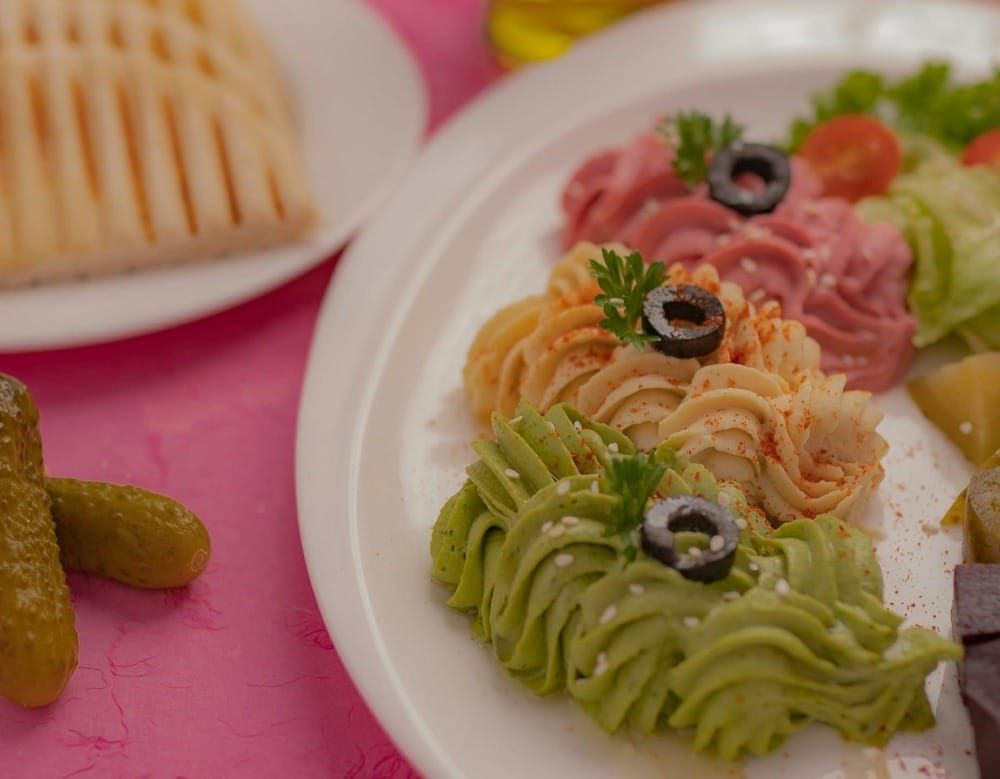
Level 5 is where many caregivers breathe a small sigh of relief — and then immediately worry they're doing it wrong.
The relief comes from the food looking more like food again. A plate with small pieces of chicken in sauce, soft mashed potato, and finely minced vegetables is closer to a normal dinner than anything at Level 4. The person can see what they're eating. Mealtimes feel less clinical.
The worry comes from the 4mm rule. What does 4mm actually look like on a plate? Is that piece too big? Is this sauce thick enough to hold the food together? Did I drain enough liquid off these vegetables?
In my years of caring for people on Level 5 diets, those are the questions that come up every single day. This guide answers all of them — practically, visually, and with the food lists and meal plan that make daily cooking manageable.
What IDDSI Level 5 Actually Means
IDDSI Level 5 (Minced and Moist) can be recommended for people who may have difficulties biting off pieces of food, chewing, and swallowing, but have some basic or beginner chewing ability. Food has been mashed or minced before serving. Biting is not required. Lumps are 4mm in size — approximately the gap between the prongs of a standard dinner fork. Lumps can be mashed with the tongue.
The clinical purpose is important to understand. Level 5 foods are intended to mimic a chewed bolus for people who have minimal chewing ability but still have the ability to move the tongue to transport food and apply pressure to small soft particles. The goal is to ensure the bolus can be swallowed safely if not chewed, but also to allow the use of any minimal chewing and tongue manipulation skills the individual has.
In other words: Level 5 is not just about size. It's about providing food that a person with limited chewing can move safely to the back of the throat and swallow — while still benefiting from whatever chewing ability they have. That clinical purpose shapes every decision about food preparation at this level.
Level 5 Sits Between Two Other Levels
Understanding where Level 5 sits helps clarify what it requires:
Below it — Level 4 (Puréed): Completely smooth, no pieces at all, requires no chewing or tongue pressure. Level 4 is the floor below Level 5.
Above it — Level 6 (Soft and Bite-Sized): Tender pieces up to 1.5cm, fork-mashable. Requires more chewing ability and tongue control than Level 5.
Level 5 is the bridge between the two. It has texture — recognisable pieces — but those pieces must be soft enough to be mashed by tongue pressure alone if the person chooses not to chew.
The 4mm Rule — What It Looks Like in Practice
The 4mm lump size is the most misunderstood aspect of Level 5. Here's how to think about it practically:
4mm is approximately:
- The gap between the prongs of a standard dinner fork
- The width of a pencil
- Roughly the size of a small pea cut in half
- The width of a grain of rice — which is why rice is permitted at Level 5 despite being longer
Most rice grains are at least 8–10mm in their long dimension but meet the 4mm width dimension. Rice is considered suitable for a Level 5 diet because it offers people with swallowing difficulties something that still looks like food they recognise, thereby enhancing compliance and intake.
This is an important point: the 4mm rule is a maximum size for soft, moist, easily-mashable pieces — not a target. A piece that is 3 mm, 2 mm, or smaller is fine. A piece that is 5mm or larger is not Level 5 unless it can be easily mashed with tongue pressure, which is tested with the fork pressure test below.
What 4mm does NOT mean:
- That every piece must be measured with a ruler
- That all pieces must be identical in size
- That you need special equipment to achieve it
A standard kitchen knife, a fork, and a food processor are all you need. The fork test is your verification tool.
The Two Tests That Confirm Level 5
The Fork Pressure Test — The Primary Level 5 Test
Labels: IDDSI Fork Test — for adults, the lump size is 4mm, which is about the gap between the prongs of a standard dinner fork.
How to do it: Place a piece of food between two prongs of a standard dinner fork. Press gently with your thumb. The food should yield and mash easily under light pressure — similar to the pressure a tongue can exert. If it requires significant force, or if it bounces back, it is not Level 5.
The fork test checks two things simultaneously: that the pieces are small enough to fit between the prongs, and that they are soft enough to mash with tongue-equivalent pressure.
The Spoon Tilt Test — For the Sauce
The sample holds its shape on the spoon and falls off fairly easily if the spoon is tilted or lightly flicked. The sample should not be firm or sticky.
Level 5 food must be served in a sauce or gravy that is thick enough not to pour separately from the food. The sauce holds the food together as a cohesive unit. A thin sauce that runs off the plate and separates from the food creates a mixed texture — which is a Level 5 failure.
The Sauce Rule — The Most Commonly Missed Requirement
Meat must be served in a thick, smooth, non-pouring sauce or gravy. Fish must be served in a thick, smooth, non-pouring sauce or gravy.
This applies to virtually every savoury food at Level 5. The sauce is not optional and not decorative — it is a functional part of the Level 5 requirement. Without it:
- Dry minced meat forms a crumbly bolus that moves unpredictably in the throat
- Vegetables mashed without sauce can be sticky and adhere to the throat
- Rice without a thick sauce separates into individual grains, each moving independently
What counts as a suitable sauce:
- Thick gravy — not thin pouring gravy but a thick, coating gravy
- Cream sauces and cheese sauces
- Thick curry sauce or casserole sauce
- Condensed soup used as a sauce
- Mayonnaise mixed into fish or eggs
- Thick béchamel
What does not count:
- Thin pouring sauces or jus
- Broth or stock poured over food
- Water or thin juice draining from vegetables
The test: tilt the plate slightly. The sauce should not run. It should coat and hold the food pieces together.
What's Different From Level 4 — And What's the Same
What's different at Level 5:
- Food has texture — small soft pieces rather than complete smoothness
- The person can use tongue pressure and minimal chewing
- Mealtimes look more normal — identifiable food on the plate
- More food variety is available — including rice, well-cooked pasta, and soft egg pieces
- Less blending is required — many foods can be achieved with fork mashing alone
What remains the same as Level 4:
- No hard, crunchy, or chewy foods
- No mixed textures — thin liquids must not separate from food
- No skin, bones, gristle, seeds, or fibrous pieces
- Sieving is still required for some foods (fruits with seeds, vegetables with husks)
- The sauce rule applies at both levels
- Consistency must be verified before serving
The Level 5 Food List
✅ Foods That Work Well at Level 5
Proteins:
Ground/minced meat — the most practical Level 5 protein. Ground beef, ground chicken, ground pork, ground turkey — all achieve Level 5 naturally when cooked with moisture. Serve in a thick sauce. Avoid overcooked dry mince — it needs to remain moist throughout.
Finely minced or mashed chicken — thigh meat is more forgiving than breast. Cook until very tender, chop or mince finely to 4mm, serve in thick gravy or cream sauce. Remove all skin and gristle. Pieces must not be bigger than 4mm by 4mm. Remove all skin, bones, and gristle. Serve in an extremely thick non-pouring sauce.
Soft fish — finely mash or purée fish to 4mm lump sizes. Serve in a thick, smooth, non-pouring sauce or gravy. Fish must be boneless. Steam, poach, or microwave the fish. Condensed soup makes a simple sauce. Tinned fish with the bones removed, such as salmon or tuna, can be mashed and mixed with mayonnaise. Fish pie and fish cakes with sauce.
Eggs — one of the most versatile Level 5 proteins. Poached and scrambled eggs are suitable. Hard-boiled eggs can be mashed with mayonnaise. A finely mashed soft omelette also works. Scrambled eggs cooked soft are the most reliable — avoid rubbery or dry scrambled eggs, which do not mash easily.
Tinned fish — tuna mashed with mayonnaise, salmon with cream cheese, sardines in sauce. Economical, no cooking required, and naturally achieves Level 5 with minimal effort. Remove all bones.
Legumes — beans and lentils can be included in thick soups, stews, and casseroles. Mash with a fork. Baked beans when mashed. Smooth hummus and taramosalata. Well-cooked lentils in a thick sauce are one of the easiest high-protein Level 5 options.
Tofu — tofu, Quorn, and textured vegetable protein — minced or cut into small mashable lumps and mashed with a sauce. Silken tofu does not need mincing — it naturally mashes with minimal pressure.
Carbohydrates:
Mashed potato — the most reliable Level 5 carbohydrate. Add butter and milk. No skin. Can be slightly coarser than Level 4 mash — small soft pieces are acceptable provided they mash under tongue pressure. Try the inside of a jacket potato (no skin) with spreading cheese, tuna, or egg mayonnaise.
Rice with thick sauce — rice is considered suitable for a Level 5 Minced and Moist diet. Most rice grains meet the 4mm width dimension. Well-cooked rice should not separate into individual grains when served — it needs a thick sauce to hold it together. Serve as part of a thick curry, casserole, or congee. Never plain.
Risotto — one of the best Level 5 carbohydrate options. The starch released during cooking creates a naturally thick, moist sauce that holds the rice together. Cook until very soft — beyond al dente. Avoid risotto with hard pieces of vegetable or whole aromatics.
Orzo and risoni pasta — risoni and orzo pasta are examples that meet Level 5 requirements of minimal chewing needed. Cook very soft and serve in a thick sauce.
Soft pasta with thick sauce — pasta cooked well beyond al dente, cut to 4mm pieces, served in a thick, smooth sauce. The pasta must be genuinely soft — not just cooked through but soft enough to mash between two fingers. Cut pasta/noodles to no bigger than 4mm by 4mm with lots of sauce.
Porridge and cereals — porridge (use fine-grain oats) and other instant cereals such as Weetabix soaked in milk are suitable, with excess milk drained off. Avoid cereals with added nuts and dried fruit such as muesli. The cereal must hold together — excess thin liquid drained before serving.
Weetabix soaked in milk — one of the most practical Level 5 breakfasts. Soak until fully softened, drain excess milk, serve with a thick custard or yogurt alongside. The fully soaked texture naturally meets Level 5.
Vegetables:
Finely mashed or minced soft-cooked vegetables — virtually any vegetable can be made Level 5 if cooked until very soft and either mashed or finely minced. The cooking method matters more than the vegetable type — steaming and boiling until well done produce the most reliable results.
Specifically: carrot, potato, sweet potato, parsnip, turnip, swede — cook until soft, finely mashed, or use a blender to finely chop to 4 mm lump-size pieces, and drain any excess liquid that has separated.
Avocado — naturally Level 5 when ripe. Mash with a fork. Add lemon juice and cream cheese to prevent browning and increase caloric density.
Banana — naturally Level 5 when ripe. Mash with a fork.
Canned vegetables — softer than fresh-cooked in most cases. Canned carrots, peas, sweetcorn (mashed), and tomatoes are practical Level 5 vegetable options.
Dairy:
Thick yogurt — thick, smooth yogurt is appropriate. Check that it's genuinely thick — thin pouring yogurt separates and creates a mixed texture. Greek-style full-fat yogurt is the most reliable.
Soft cheese — cottage cheese (small curd), cream cheese, ricotta. All naturally Level 5 consistency.
Custard — thick custard is appropriate at Level 5. Ensure it is thick enough not to pour — thick poured custard that runs off a spoon is below Level 5.
Rice pudding and semolina — extremely thick and smooth. Custard, creamed, rice pudding, semolina, yogurt (no bits).
Fruit:
Mash or purée fruit to 4mm lump sizes. Drain any excess liquid. Make sure fresh fruits are ripe, soft, and mashed.
Suitable fruits: Banana (mashed), avocado (mashed), soft ripe mango (mashed), soft ripe peach or nectarine (peeled and mashed), soft melon (small soft pieces), strawberries (mashed), raspberries (mashed and sieved to remove seeds), papaya (mashed).
Key rules for fruit at Level 5:
- All skin must be removed
- Seeds must be removed or sieved out
- Drain excess liquid — fruit releases liquid when mashed, which can create a mixed texture
- Hard or unripe fruit is not Level 5 — always check ripeness before serving
❌ Foods Not Appropriate for Level 5
Structural risks:
- Hard or tough meats — steak, pork chop, overcooked chicken breast, any fibrous or stringy meat. Cannot be made Level 5 — should be minced to Level 5 or puréed to Level 4.
- Crunchy or hard vegetables — raw carrot, celery, raw apple, cucumber. Cannot be made Level 5 without cooking first.
- Bread and toast — avoid — bread forms a sticky, doughy bolus.
- Nuts and seeds — cannot be made soft enough.
- Whole or halved grapes and cherry tomatoes — round, smooth, slippery foods that cannot be reliably mashed. A significant choking risk at all dysphagia levels.
Mixed texture risks:
- Soup with chunks — the chunks create a mixed texture. Either smooth completely to Level 4 or ensure all pieces are 4mm and the soup is thick enough not to pour.
- Cereal with excess milk — drain the milk before serving. The cereal pieces and the thin milk are a mixed texture.
- Yogurt with fruit pieces or seeds — plain thick yogurt only.
- Jelly/jello — melts from solid to liquid in the mouth. Not appropriate at any dysphagia level.
Dry and crumbly foods:
- Dry cake or biscuits — crumble unpredictably. Sponges and crumbles can be softened and mashed with thick sauce — but only if fully softened throughout. No dry edges or centres.
- Dry rice — rice without a thick sauce is not Level 5. The sauce is not optional.
- Crackers — cannot be made Level 5.
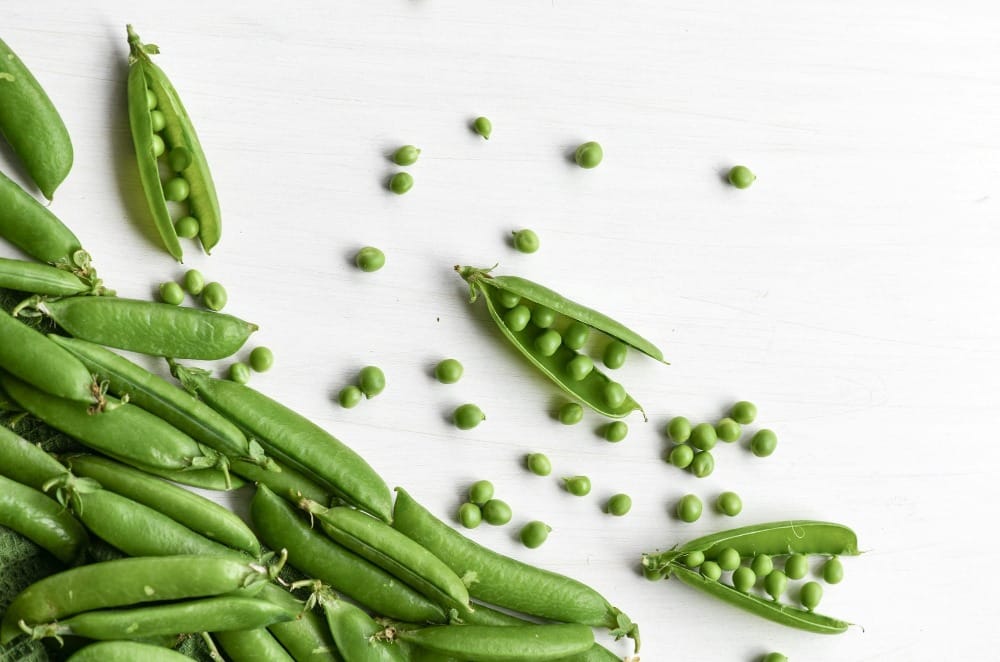
Round, smooth, slippery foods: Whole peas, whole grapes, cherry tomatoes, large blueberries, whole olives — these are Level 5 failures not because of size but because they are smooth, round, and compress under pressure to become slippery boluses that are difficult to control. Mash or purée these items rather than serving them whole.
The Key Difference Between Level 5 and Level 4 in the Kitchen
The practical difference comes down to one question: is this food soft enough to mash between two fingers?
If yes — it can potentially be Level 5, provided it is also:
- Moist enough (not dry or crumbly)
- Small enough (4mm maximum)
- Served in a thick sauce (not thin liquid)
- Free of skin, seeds, gristle, and hard pieces
If no — it needs to be blended further to Level 4.
The kitchen shortcut that experienced caregivers use: the two-finger test before the fork test. Place a piece of cooked food between your thumb and index finger and press. If it mashes easily, do the fork test to confirm size. If it doesn't mash easily, it needs more cooking or further processing before it's Level 5.
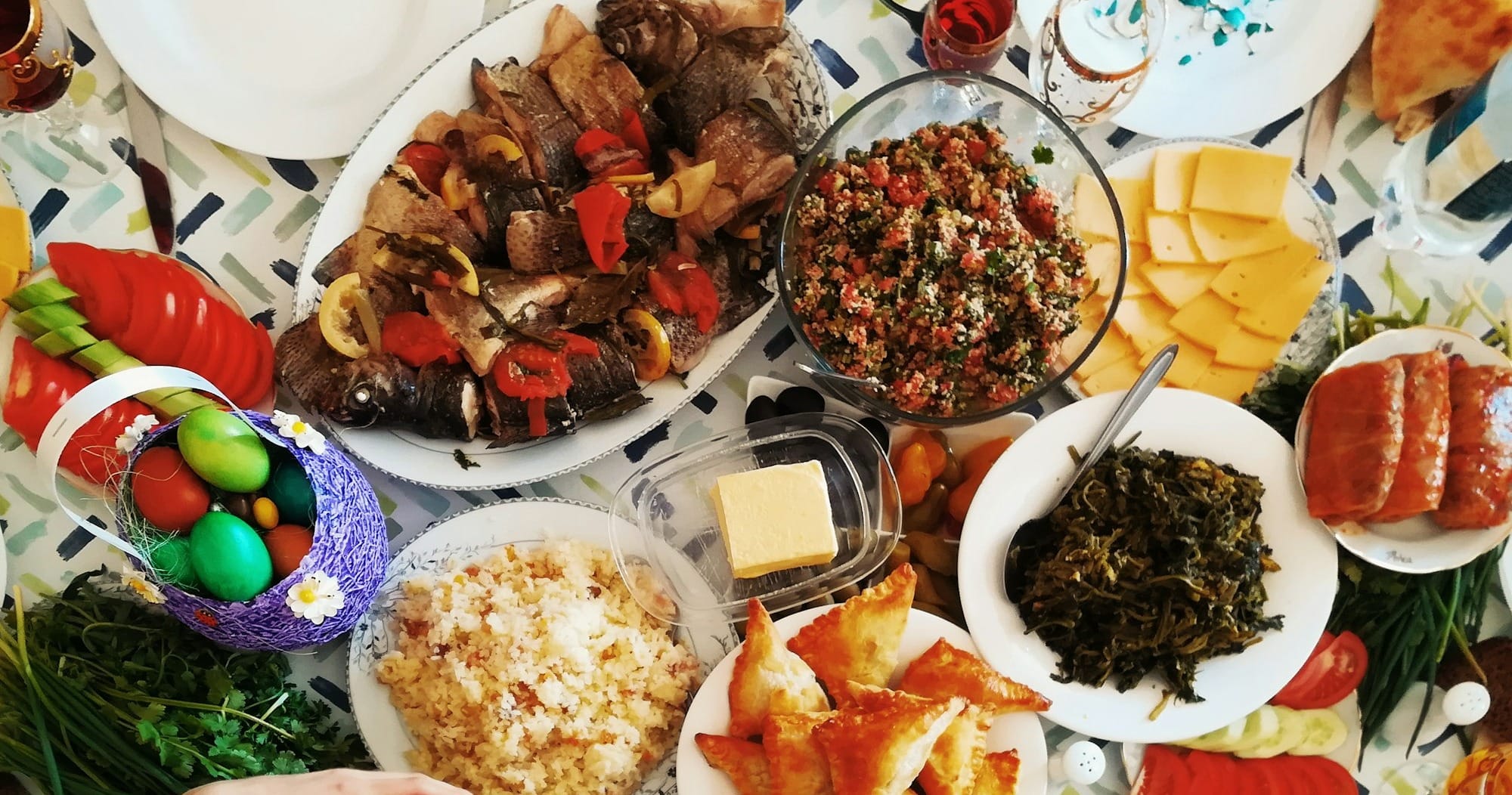
Making Family Meals Work at Level 5
Level 5 is the most practical dysphagia level for family meal sharing — and this is one of its most underappreciated advantages. Many family meals can be adapted for Level 5 with minimal extra work:
Casseroles and stews — cook together as normal. Remove a portion before serving, finely chop or mash the meat to 4mm, ensure the sauce is thick enough. The rest of the family eats the dish as usual.
Bolognese or meat sauce — ground beef in tomato sauce is naturally close to Level 5. Ensure the meat is well-cooked and finely minced, the sauce is thick (not watery), and serve with well-cooked orzo or soft pasta cut to 4mm rather than spaghetti.
Curry — a thick curry with minced or finely chopped soft protein (chicken thigh, fish, lentil) served over well-cooked rice with thick sauce is an excellent Level 5 meal. Avoid whole spices and any hard vegetable pieces.
Shepherd's pie and cottage pie — naturally Level 5 when well made. Ground beef or lamb in thick sauce, topped with mashed potato. One of the most reliable Level 5 complete meals — serve the family the same dish.
Fish pie — flaked soft fish in cream sauce, topped with smooth mashed potato. Ensure all bones are removed, and the fish flakes are at 4mm or smaller.
7-Day Level 5 Meal Plan
Every item has been checked against Level 5 criteria. All sauces are thick and non-pourable. All pieces are at or below 4mm. Always verify with the fork pressure test before serving.
Monday
Breakfast: Porridge made with fine oat flakes and full-fat milk. Drain any excess liquid. Add honey and mashed banana.
Morning snack: Thick Greek yogurt — plain, full-fat.
Lunch: Minced chicken in thick cream sauce. Mashed potato with butter. Finely mashed soft carrot.
Afternoon snack: Mashed avocado with cream cheese.
Dinner: Ground beef bolognese — finely minced beef in thick tomato sauce. Well-cooked orzo pasta. Finely mashed soft courgette.
Dessert: Thick custard with mashed stewed apple.
Tuesday
Breakfast: Weetabix fully soaked in full-fat milk — drain excess milk before serving. Serve with thick yogurt.
Morning snack: Mashed banana with full-fat yogurt.
Lunch: Tuna mashed with mayonnaise. Mashed potato (no skin). Finely mashed soft peas — drain any excess liquid.
Afternoon snack: Thick, smooth hummus.
Dinner: Lamb and lentil casserole — slow-cooked, sauce thick enough not to pour. Finely mashed soft carrot and swede. Rice with thick sauce.
Dessert: Rice pudding — thick and smooth, no loose liquid.
Wednesday
Breakfast: Scrambled eggs — cooked soft, moist. Serve with finely mashed soft tomato (no skin, no seeds, no thin juice).
Morning snack: Thick Greek yogurt with mashed soft mango.
Lunch: Fish pie — flaked white fish in thick cream sauce, mashed potato topping. Ensure all bones are removed, and fish pieces are at 4mm.
Afternoon snack: Cottage cheese — small curd, naturally Level 5.
Dinner: Chicken and vegetable casserole — finely minced chicken thigh in thick gravy. Well-cooked soft vegetables mashed to 4mm. Mashed potato.
Dessert: Semolina pudding — thick and smooth.
Thursday
Breakfast: Fine oat porridge with full-fat milk and double cream. Mashed ripe strawberries stirred through.
Morning snack: Mashed avocado.
Lunch: Minced pork in thick apple sauce. Mashed sweet potato with butter.
Afternoon snack: Thick yogurt.
Dinner: Beef and vegetable shepherd's pie — ground beef in thick gravy, mashed potato topping. The classic Level 5 meal — the whole family can eat the same dish.
Dessert: Thick custard with mashed soft peach — peeled, stone removed, mashed.
Friday
Breakfast: Weetabix soaked in full-fat milk. Drain excess. Serve with mashed banana.
Morning snack: Smooth hummus.
Lunch: Salmon mashed with cream cheese and lemon. Mashed potato. Finely mashed soft cucumber (peeled, seeds removed, very ripe).
Afternoon snack: Thick Greek yogurt.
Dinner: Mild chicken curry — finely minced chicken thigh in thick curry sauce. Well-cooked rice with enough sauce to coat and hold the grains together. Mashed soft lentil dal on the side.
Dessert: Mashed soft papaya with thick yogurt.
Saturday
Breakfast: Soft scrambled eggs with cream cheese. Finely mashed soft tomato on the side — no skin, no seeds, no thin juice.
Morning snack: Mashed ripe mango.
Lunch: Lentil and vegetable soup — thick enough not to pour. Lentils soft and mashed. No thin broth — if the soup pours, thicken with a small amount of cornflour.
Afternoon snack: Cottage cheese with mashed soft berry.
Dinner: Soft fish cakes — tinned salmon mashed with mashed potato, formed into small cakes, baked until soft. Serve in thick cream sauce. Finely mashed soft peas.
Dessert: Thick custard with mashed soft banana.
Sunday
Breakfast: Porridge with full-fat milk. Mashed ripe banana.
Morning snack: Thick yogurt.
Lunch: Minced chicken soup — thick enough not to pour. Finely minced chicken pieces, soft vegetable pieces at 4mm, no thin broth.
Afternoon snack: Smooth hummus.
Dinner: Slow-cooked beef stew — beef cooked until very tender, finely shredded to 4mm, in thick sauce. Mashed potato. Finely mashed soft carrot and parsnip.
Dessert: Rice pudding with mashed soft peach.
Ready-Made Level 5 Options
GentleFoods (Singapore) is currently the most accessible commercially prepared Level 5 option — covering a wide menu range across Level 5 (Minced and Moist) with IDDSI certification. For readers outside Singapore, home preparation supplemented with Thick-It products at Level 4 as a backup is the most practical approach. Our ready-made puréed food guide covers the available commercial options.
The Nutrition Consideration at Level 5
The malnutrition risk at Level 5 is lower than at Level 4 — more food variety is available,potatoes and the caloric dilution from added liquid is less significant. However, the same fortification principles apply:
- Use full-fat dairy products throughout — full-fat milk, double cream, full-fat yogurt, full-fat cream cheese
- Add butter generously to mashed potatoes and vegetables
- Use thick sauces rather than thin ones — the sauce adds calories alongside texture
- Use enriched milk in porridge, custard, and sauces
- Monitor weight weekly — any unexplained loss warrants dietitian review
The caloric density advantage of Level 5 over Level 4 is significant: a Level 5 plate can contain substantially more calories per gram than a Level 4 plate because less dilution liquid is required to achieve the texture.
For a full explanation of how food and liquid levels work separately and together, see our IDDSI Food and Liquid Levels Guide.
Frequently Asked Questions
What does 4mm look like on a plate?
4mm is approximately the gap between the prongs of a standard dinner fork. The simplest check: place a food piece between two prongs of your dinner fork. If it fits between the prongs and mashes under gentle thumb pressure — it is Level 5. If it doesn't fit or doesn't mash — it needs further processing.
Can someone on Level 5 eat rice?
Yes — rice is considered suitable for a Level 5 Minced and Moist diet. Most rice grains meet the 4mm width dimension. Rice should not separate into individual grains when served — it needs a thick sauce to hold it together. Serve as part of a curry, casserole, or congee — never plain.
Is bread allowed at Level 5?
No. Bread forms a sticky, doughy bolus when moistened, which is difficult to control during swallowing. Even fully soaked bread is generally not considered safe at Level 5. The one exception sometimes cited is fully softened bread that has been soaked in a thick sauce until it loses all its structure — but this is borderline and should be confirmed with an SLP.
What is the difference between Level 5 and Level 6?
Level 5 (Minced and Moist) has pieces up to 4mm that can be mashed with tongue pressure. Level 6 (Soft and Bite-Sized) allows larger pieces — up to 1.5cm — that are soft enough to mash with a fork. Level 6 also allows some gentle biting. The key practical difference is that Level 6 allows recognisably sized food pieces, while Level 5 requires everything to be finely minced or mashed.
Does everything on the plate need to be Level 5?
Yes — every component on the plate must meet Level 5 criteria. A Level 5 main course served with a thin pouring sauce creates a mixed texture. A Level 5 main served alongside a Level 4 smooth soup is fine — different foods at different levels can be served at the same meal, but each individual food must meet its level.
Can I serve someone on Level 5 the same food as the rest of the family?
Often yes — with modification at the last step. Casseroles, curries, shepherd's pie, bolognese, and fish pie can all be adapted for Level 5 by finely mincing or mashing the protein component and ensuring the sauce is thick. The family eats the dish as normal; the Level 5 portion is separated just before serving and processed. This is one of the most practical aspects of Level 5 and a significant quality-of-life improvement over Level 4.
References
IDDSI Framework. (2019, updated 2024). Level 5 — Minced and Moist: FAQ and descriptors. https://www.iddsi.org/faqs/q-how-do-i-know-i-have-the-right-texture-for-level-5-minced-and-moist
Cambridge University Hospitals NHS Foundation Trust. (n.d.). Minced and moist food IDDSI Level 5. https://www.cuh.nhs.uk/patient-information/minced-moist-food-iddsi-level-5/
East Kent Hospitals University NHS Foundation Trust. (n.d.). Advice when you need to follow an IDDSI Level 5 minced and moist diet. https://leaflets.ekhuft.nhs.uk/advice-when-you-need-to-follow-an-iddsi-level-5-minced-and-moist-diet/
Surrey and North East Hampshire Community Services NHS. (2024). IDDSI Level 5 Minced and Moist Diet. https://surreynehantscommunityservices.nhs.uk/wp-content/uploads/2024/11/IDDSI-Level-5-Minced-and-Moist-Diet-updated.pdf
Cichero, J. A. Y., et al. (2017). Development of international terminology and definitions for texture-modified foods and thickened fluids used in dysphagia management. Dysphagia, 32(2), 293–314. https://doi.org/10.1007/s00455-016-9758-y
American Speech-Language-Hearing Association. (n.d.). Adult dysphagia (Practice Portal). https://www.asha.org/practice-portal/clinical-topics/adult-dysphagia/