Dysphagia and Malnutrition: How to Prevent Weight and Muscle Loss
Why malnutrition is so common in dysphagia, how to monitor weight at home, caloric fortification strategies, and when to escalate to the clinical team.
How much protein someone with dysphagia needs, the best sources at Levels 3–6, fortification strategies, and when to request a dietitian referral
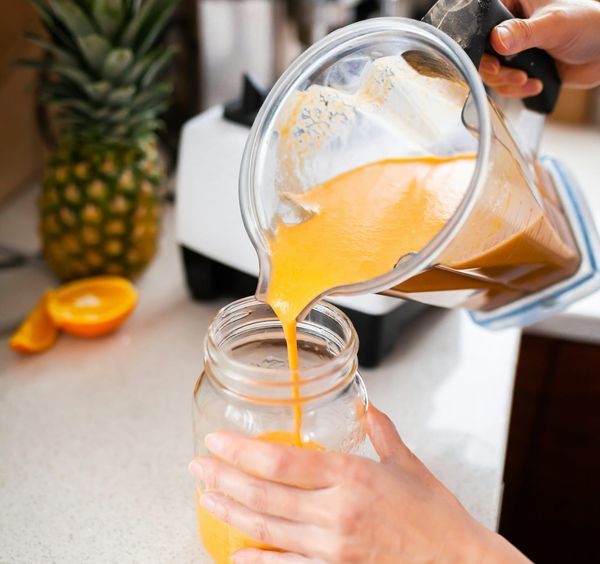
IDDSI liquid Levels 0–4 explained — what each consistency looks like, who is typically prescribed it, and what test confirms it at home.
What dysphagia treatment involves — compensatory strategies, swallowing exercises, and an honest prognosis by condition.
Before, during, and after a dysphagia swallowing diagnosis — VFSS and FEES explained, results decoded, and what to do when you get home.
A list of items to consider for dysphagia oral care. From suction toothbrushes to mouthwash, dry mouth products, including a daily routine guide.
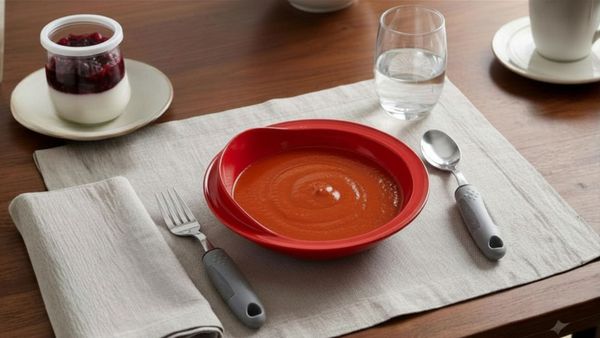
Review of 9 adaptive eating utensils, from maroon spoons to weighted cutlery & red plateware for dementia and dysphagia patients.
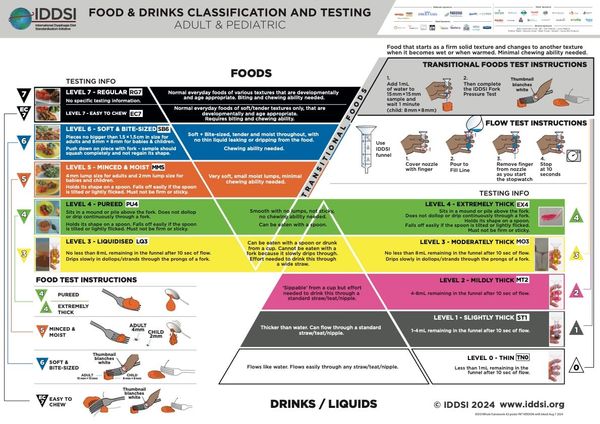
IDDSI food and liquid diet levels. This guide explains what each level means for drinks and meals, and how to manage two prescriptions at once.
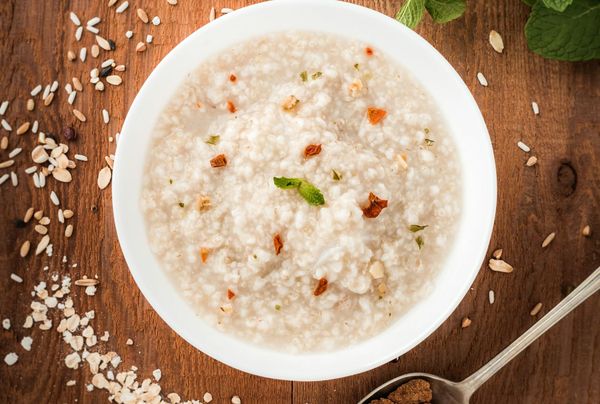
Which porridge suits your IDDSI level — congee, okayu, polenta and more, with official IDDSI testing guidance and free downloads.
Polenta is the most reliable IDDSI Level 4 porridge — stable across temperatures. Dysphagia recipe with spoon tilt test and fortification tips.
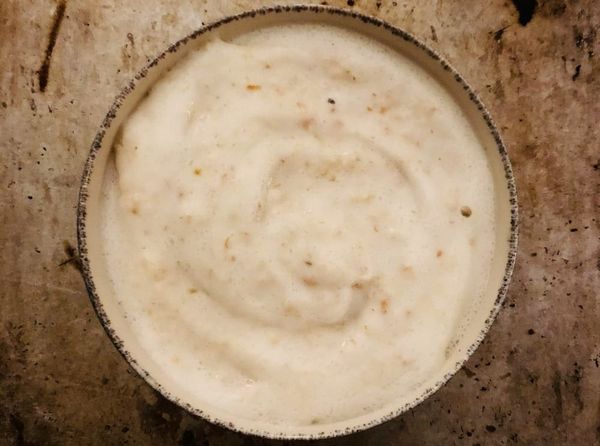
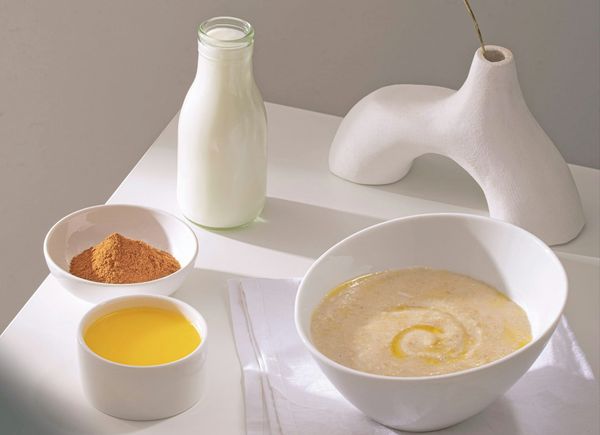
Semolina porridge reaches IDDSI Level 3–4 depending on ratio. High-protein, milk-based dysphagia recipe with consistency adjustment guide.
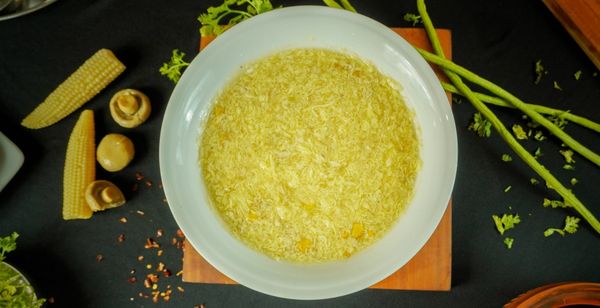
Filipino lugaw reaches IDDSI Level 3 or 4 depending on broth ratio. Full recipe with adjustment guide and IDDSI testing steps.
Recipes - IDDSI Levels 0–4
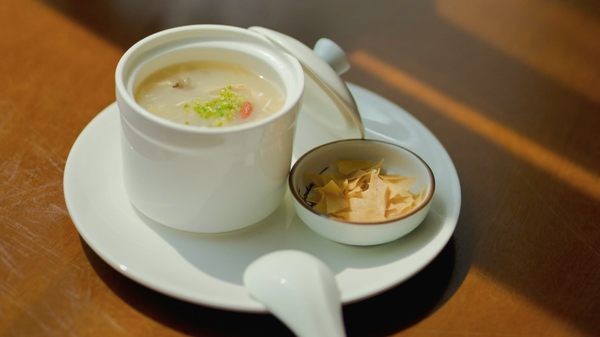
Chiu Chow congee reaches IDDSI Level 3 at a 10:1 ratio. Full recipe with water ratio guide, fortification options, and IDDSI testing steps.
Recipes - IDDSI Levels 0–4
Japan's traditional sick-day rice porridge naturally reaches IDDSI Level 3 at a 5:1 ratio. Recipe with spoon tilt test and fortification tips.
Recipes - IDDSI Levels 0–4
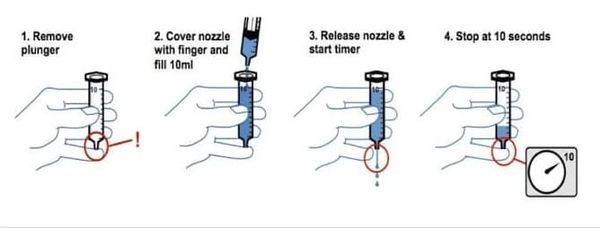
Uji millet porridge is naturally IDDSI Level 2 — thickener required for Level 3. Recipe with thickening guide and syringe flow test steps.
How ALS progresses to affect swallowing, managing saliva, when to discuss a PEG tube, and energy conservation strategies for mealtimes.
IDDSI Level 7 has two sub-levels — Regular (RG7) and Easy to Chew (EC7). What each means, the fork pressure test, food lists, and when EC7 is right.
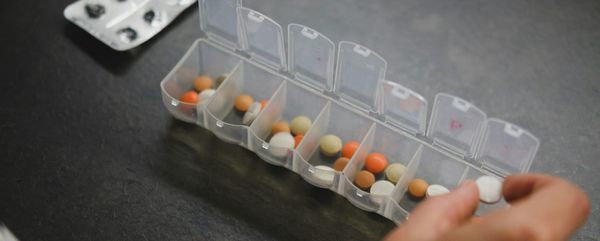
The first time I realised medication administration was a clinical problem in its own right — not just a practical inconvenience — was when I was caring for an elderly man with Parkinson's disease and dysphagia who had been crushing his levodopa tablets into his thickened water for months. Nobody
Dysphagia Resources
I have sat with a woman who hadn't drunk more than a few sips in three days. Not because she refused thickened drinks — we'd solved that. Not because she couldn't swallow — she could. Because she had dementia, and she had stopped knowing she was
What to eat and drink at IDDSI Level 3 and how it differs from Level 4 . Plus a 7-day family-friendly meal plan.
IDDSI Content
Download the official IDDSI framework poster, level handouts, and testing cards - free to print and share.
Dysphagia Resources
What to eat at IDDSI Level 6 — complete food list, the 15mm rule explained, fork pressure test, and a 7-day family-friendly meal plan.
Dysphagia Resources
Complete food list, 4mm size explained in practice, 7-day meal plan, and family meal tips for IDDSI Level 5 minced and moist
Dysphagia Resources
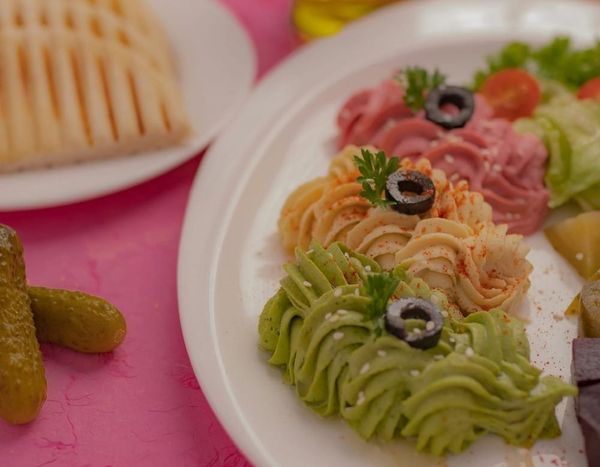
Everything you can and can't eat on an IDDSI Level 4 puréed diet — complete food lists, the caloric density problem most guides miss, fortification strategies, and a full 7-day meal plan.